Pulmonary Surgeons: Expertise in Lung Health and Surgical Care
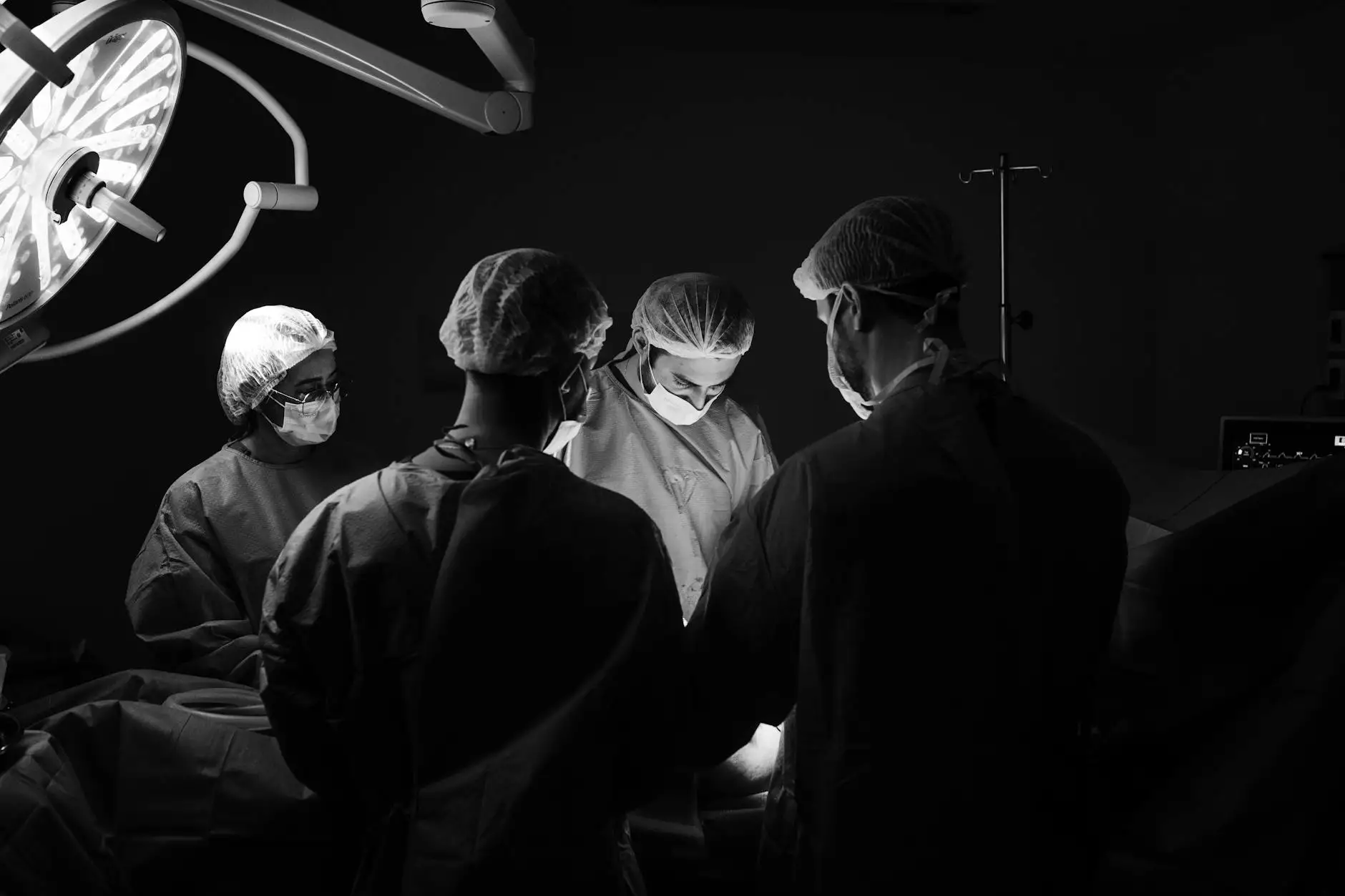
Pulmonary surgeons are specialized medical professionals who play a crucial role in the diagnosis, treatment, and management of various lung diseases. With the lungs being a vital organ responsible for oxygenating the blood and facilitating breathing, the expertise of a pulmonary surgeon is essential in providing necessary surgical care for patients suffering from respiratory conditions.
Understanding the Role of Pulmonary Surgeons
Pulmonary surgeons focus on a range of disorders affecting the thorax, particularly the lungs and the surrounding structures. Their expertise encompasses various surgical procedures, including but not limited to:
- Video-assisted thoracoscopic surgery (VATS) – A minimally invasive technique used for diagnosing and treating lung diseases.
- Thoracotomy – An open surgical procedure that allows the surgeon to access the chest cavity for more extensive procedures.
- Lung resections – Removing part or all of a lung affected by disease, such as tumors or chronic infections.
- Bronchopleural fistula repair – Surgical correction of abnormal connections between the bronchial tubes and pleural space.
Common Conditions Treated by Pulmonary Surgeons
Pulmonary surgeons are trained to handle a variety of conditions that can impact lung functionality, including:
1. Lung Cancer
Lung cancer is one of the leading causes of cancer-related deaths globally. Pulmonary surgeons collaborate with oncologists to develop comprehensive treatment plans that may involve surgical resection of malignant tumors. Early detection is key, and surgical intervention can significantly improve outcomes for patients.
2. Chronic Obstructive Pulmonary Disease (COPD)
COPD encompasses a group of progressive lung diseases, including emphysema and chronic bronchitis. While not all cases require surgery, advanced stages may necessitate surgical options such as lung volume reduction surgery to remove damaged lung tissue and improve breathing capacity.
3. Interstitial Lung Disease
Interstitial lung diseases (ILDs) involve the scarring of lung tissue, leading to diminished respiratory function. Pulmonary surgeons may perform lung transplants for patients with severe ILD, offering them a chance at improved quality of life.
4. Pleural Diseases
Conditions affecting the pleura, such as pleural effusion or pleuritis, may require surgical intervention. Pulmonary surgeons can perform procedures like pleurodesis to manage these conditions effectively.
The Importance of Specialized Care
The respiratory system is complex, and managing lung conditions often requires a multidisciplinary approach. Pulmonary surgeons work alongside respiratory therapists, pulmonologists, and oncologists to provide integrated care tailored to each patient's needs. This collaboration ensures comprehensive management of lung diseases, from diagnosis through postoperative care.
How to Choose the Right Pulmonary Surgeon
Choosing the right pulmonary surgeon can make a significant difference in surgical outcomes and overall patient experience. Here are some factors to consider:
- Expertise and credentials: Ensure the surgeon is board-certified in thoracic surgery and has extensive experience with the specific condition being treated.
- Hospital affiliations: Research the hospitals where the surgeon practices to ensure they are reputable and equipped with advanced technology.
- Patient reviews: Look for testimonials and reviews from former patients to gauge their satisfaction and experiences.
- Communication: Choose a surgeon who takes the time to explain procedures, answer questions, and addresses concerns.
Preparing for Surgery with a Pulmonary Surgeon
Preparation for surgery can be daunting, but understanding the process can ease anxiety. Here’s a step-by-step guide:
1. Preoperative Assessment
Before undergoing surgery, patients will undergo a thorough assessment, including imaging studies (like CT scans), pulmonary function tests, and a complete medical history review to evaluate their health and prepare for the procedure.
2. Discussing Risks and Benefits
Patients should engage in an open dialogue with their pulmonary surgeon to understand the risks and benefits associated with the surgery. This ensures informed consent and sets realistic expectations.
3. Lifestyle Adjustments
To optimize surgical outcomes, patients may need to make certain lifestyle changes, such as quitting smoking, improving nutrition, and ensuring they follow any pre-surgery instructions provided by their surgeon.
Postoperative Care and Recovery
Recovery after lung surgery is critical for successful outcomes. Here are some key aspects of postoperative care:
1. Hospital Stay
Post-surgery, patients will typically stay in the hospital for monitoring. This stage is crucial for detecting any complications early.
2. Pain Management
The surgical team will provide a pain management plan tailored to the patient’s needs, focusing on effective pain relief while minimizing the use of narcotics where possible.
3. Follow-up Appointments
Scheduled follow-up visits with the pulmonary surgeon are essential to track recovery progress and address any concerns that may arise during the healing process.
The Future of Pulmonary Surgery
The field of pulmonary surgery is continually evolving with advancements in technology and techniques. Innovations such as robotic-assisted surgery and enhanced recovery protocols are setting new standards in patient care. As these methods become more refined, they promise to improve patient outcomes and reduce recovery times.
Conclusion: The Vital Role of Pulmonary Surgeons
Pulmonary surgeons are invaluable assets to the healthcare system, ensuring that patients with lung diseases receive the specialized surgical care they need. With their vast knowledge, skillsets, and collaboration with other medical professionals, they significantly contribute to the improved health and well-being of their patients.
If you or a loved one is facing lung-related health challenges, don't hesitate to seek the expertise of a qualified pulmonary surgeon. Their skills and dedication can be the key to navigating complex medical journeys and achieving positive outcomes.