The Ultimate Guide to Mobile Billboards: Transforming Advertising Strategies
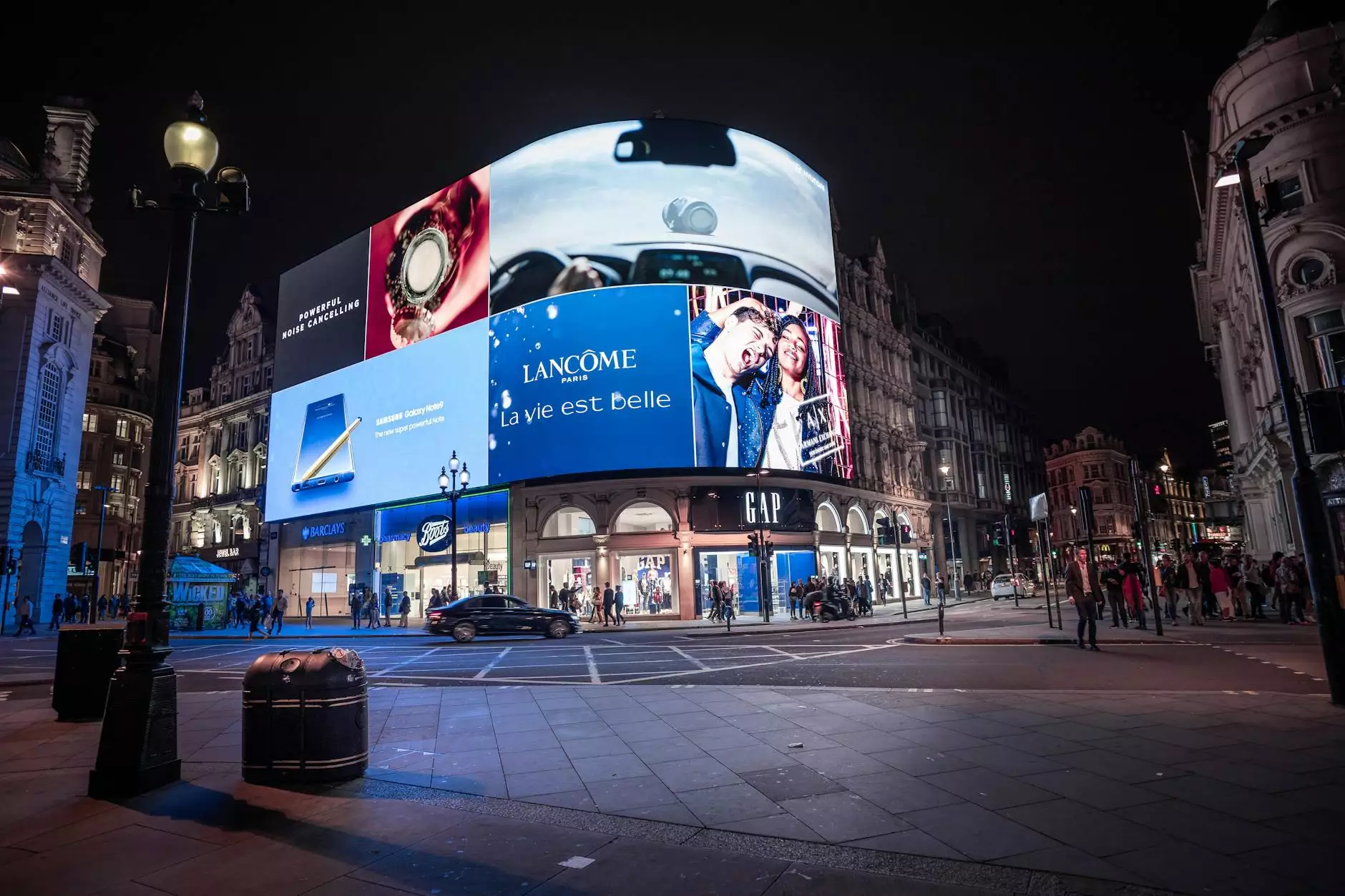
In the ever-evolving landscape of marketing and advertising, businesses must constantly seek innovative ways to reach their target audience. One such innovative method is the utilization of a mobile billboard. This article dives deep into the concept of mobile billboards, highlighting their benefits, effectiveness, and strategic implementation in your advertising campaigns.
What is a Mobile Billboard?
A mobile billboard refers to a vehicle, typically a truck or a van, that has large advertisements displayed on the sides or back. It allows businesses to take their advertising on the road, literally putting their message in front of potential customers wherever they go. This form of advertising marries the traditional billboard with the dynamic nature of mobile advertising, making it a unique tool in modern advertising strategies.
Key Features of Mobile Billboards
- High Visibility: Mobile billboards are often placed on busy streets or during events, ensuring maximum exposure.
- Geographical Targeting: Advertisements can be driven to specific locations where your target audience is congregating.
- Cost-Effectiveness: Compared to traditional billboard advertising, mobile billboards can offer a more affordable option.
- Dynamic Campaigns: Advertisers can change locations and ads quickly, responding to current events or trends.
The Advantages of Using Mobile Billboards
Integrating a mobile billboard into your marketing strategy offers myriad advantages. Let’s explore the primary benefits that make this form of advertising indispensable.
1. Increased Brand Awareness
One of the most significant advantages of a mobile billboard is its ability to enhance brand awareness. As these vehicles traverse different neighborhoods and busy areas, they attract attention from a diverse audience. This high visibility is essential in building recognition and recall for your brand.
2. Targeted Marketing
Mobile billboards provide exceptional targeting capabilities. Businesses can choose specific routes that align with where their target audience is likely to be. Whether it’s a concert venue, a popular shopping district, or sporting events, mobile billboards can position your brand directly in front of potential customers at crucial moments.
3. Cost-Effectiveness
When compared to traditional mediums, the cost-effective nature of mobile billboards is noteworthy. While traditional billboards may incur hefty rental fees for a fixed location, mobile billboards can reach multiple neighborhoods and events for the same or a lesser cost. This means higher returns on your investment!
4. Engagement and Interaction
Unlike static billboards, mobile billboards facilitate interaction. They are driven through crowds, catching the eye of people who may not otherwise notice your advertisement. There’s also the potential for distributing promotional materials, driving traffic to a website, or inviting customers to an event, all while maintaining the visual power of the mobile billboard.
5. Flexibility
Another compelling feature of mobile billboards is their flexibility. Advertisers can quickly change the graphics or messages to reflect seasonal promotions, new products, or urgent announcements. This flexibility enables brands to stay relevant in fast-paced markets.
Effective Strategies for Using Mobile Billboards
To maximize the effectiveness of your mobile billboard advertising, consider these strategies:
1. Choose Your Audience Wisely
Your billboard’s route should reflect where your target audience spends their time. Analyze demographic data to identify hotspots where your audience frequents, and then plan your routes accordingly.
2. Create Eye-Catching Designs
With limited time to capture your audience's attention, your billboard design must be striking. Use bold colors, captivating images, and concise messaging. Ensure that your brand's logo is visible and appealing. The information should be easily digestible at a glance.
3. Pair with Social Media
Combine your mobile billboard campaign with social media strategies. Encourage viewers to share their experiences or photos with your mobile ad online. You might create a hashtag or run a contest for social media engagement, providing additional visibility and interaction.
4. Incorporate Technology
Consider incorporating digital displays on your mobile billboard. Technology such as QR codes or NFC (Near Field Communication) can provide immediate interaction with consumers. They can scan a code to receive discounts or additional information, merging the physical and digital realms of marketing.
5. Monitor Performance
After the campaign, analyze data on the effectiveness of your mobile billboard strategy. Feedback, website traffic analytics, and engagement levels will provide insights into what worked and what didn’t, allowing you to adjust your future campaigns accordingly.
Mobile Billboards vs. Traditional Billboards
Understanding the differences between mobile billboards and traditional billboards can help businesses make informed advertising decisions. Here are some comparisons:
Visibility and Reach
Traditional billboards are fixed, meaning they are only viewed by those who pass by the specific location. In contrast, mobile billboards can reach a broader audience by traveling through various neighborhoods and events. This dynamic nature opens up possibilities for a more extensive reach.
Cost Considerations
The cost of having a fixed billboard space can be significantly higher than running a mobile billboard, especially if the billboard is in a prime location. Mobile billboards offer flexibility in costs and reach without locking you into one expensive contract.
Engagement Levels
While both types aim to capture attention, mobile billboards can actively engage users as they drive through crowds. Traditional billboards rely on passive attention from viewers who might never see them again.
Successful Case Studies of Mobile Billboard Advertising
Real-world examples can further illustrate the impact of mobile billboard advertising. Here are a few businesses that effectively integrated mobile billboards into their marketing strategies:
1. Coca-Cola
Coca-Cola has effectively used mobile billboards during events such as festivals and concerts. They augmented brand visibility while offering free samples from the mobile trucks, creating a delightful experience for potential customers and enhancing brand loyalty.
2. Local Businesses
Small businesses have also found success with mobile billboards. For instance, a local gym used a mobile billboard to target neighborhoods with high foot traffic. The gym saw a 30% increase in inquiries after running a two-week campaign, demonstrating the effectiveness of localized targeting.
3. Movie Promotions
Film studios often leverage mobile billboards to drum up excitement for upcoming releases. For instance, a major studio promoted a summer blockbuster by sending out mobile billboards equipped with lights and sounds, capturing the attention of crowds in a fun and engaging way.
Challenges and Considerations
While mobile billboards offer unique benefits, they are not without challenges. Businesses must consider several factors:
Regulations
Before launching a mobile billboard campaign, it’s crucial to familiarize yourself with local regulations regarding mobile advertising. Different municipalities may have specific restrictions on where and when you can advertise.
Traffic and Routing
Plan your routes carefully to avoid heavy traffic areas. Efficient routing not only minimizes travel time but also maximizes exposure to target audiences.
Weather Conditions
Weather can impact the effectiveness of your campaign. For example, rain or snow may limit visibility and reduce foot traffic. It's best to consider weather forecasts when planning your campaign schedule.
Future of Mobile Billboards
As technology continues to evolve, so too will the mobile billboard industry. Advancements in analytics and data collection will allow businesses to create even more tailored and effective campaigns. Additionally, the integration of augmented and virtual reality in mobile displays may redefine how advertisers engage with audiences on the go.
Conclusion
In an increasingly competitive advertising landscape, a mobile billboard presents businesses with a unique opportunity to reach their audience in a dynamic and engaging manner. By understanding its advantages, crafting effective strategies, and navigating any associated challenges, companies can amplify their marketing efforts and maximize brand impact. With the right approach, mobile billboards can transform your advertising strategy and foster a deeper connection with your audience. Don’t miss out on this innovative way to make your brand stand out!