Understanding Japanese Horseradish: Price, Quality, and Availability
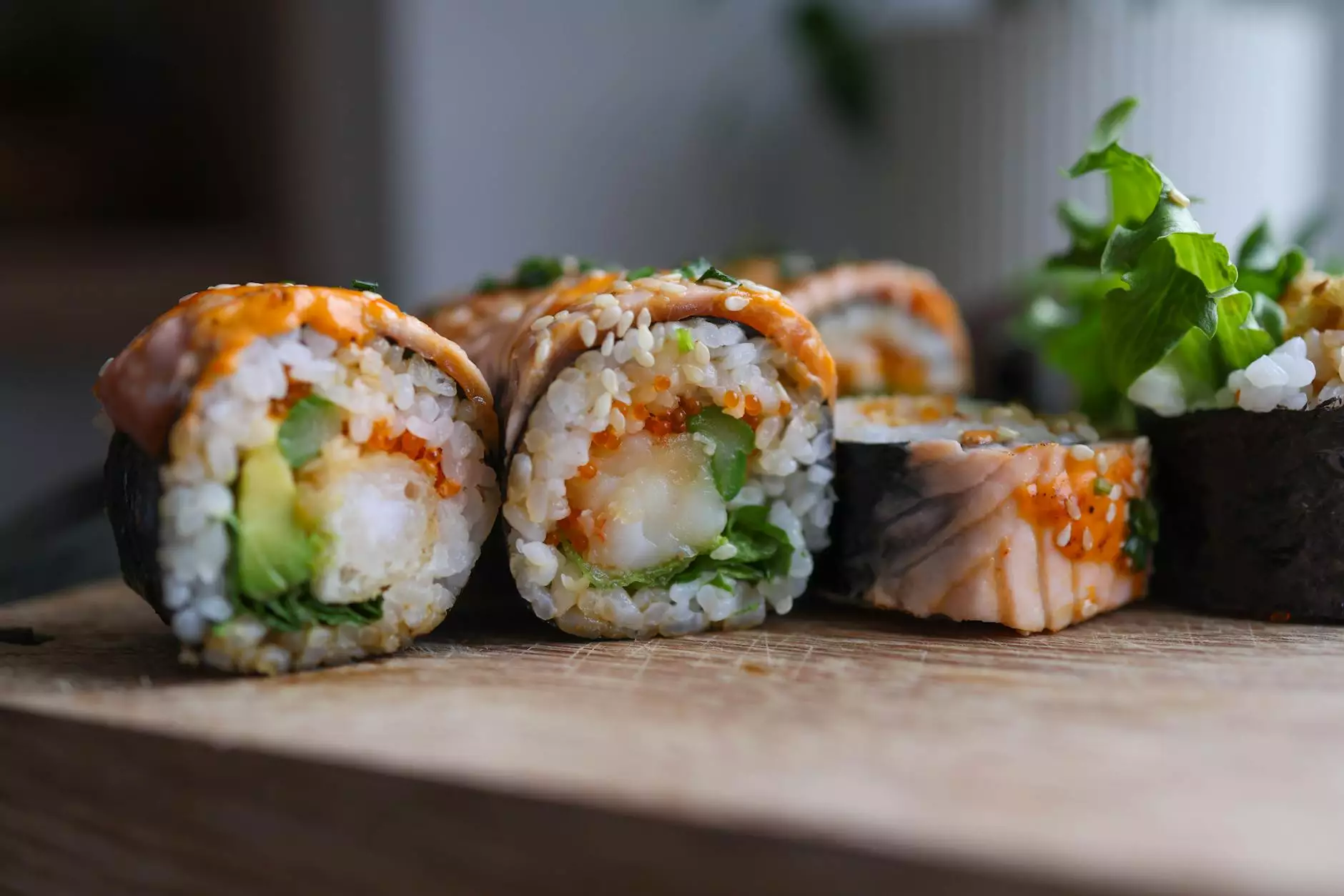
Japanese horseradish, known as wasabi, is a staple in many Japanese culinary dishes. This unique root vegetable not only adds a sharp flavor to sushi and sashimi but also plays a significant role in the overall dining experience. In this article, we will delve deep into the factors affecting the japanese horseradish price, its cultivation, quality variations, and its importance in the restaurant industry, especially within sushi bars.
The Significance of Wasabi in Japanese Cuisine
Wasabi is more than just a condiment; it's an essential ingredient that signifies the care and tradition behind Japanese cooking. Authentic wasabi, which comes from the plant Wasabia japonica, is highly valued for its unique flavor profile and health benefits. While many restaurants often serve imitation wasabi mixes that lack the real deal's depth, the true flavor of fresh wasabi is warmly embraced in high-end sushi bars.
Factors Influencing Japanese Horseradish Price
Determining the japanese horseradish price is complex and influenced by several factors, including:
- Source of Wasabi: The origin of the horseradish greatly impacts its cost. Authentic wasabi is predominantly cultivated in specific regions of Japan, such as Shizuoka and Nagano, where the climate and river water conditions are ideal.
- Supply and Demand: Demand for fresh wasabi tends to peak at certain times of the year, particularly during holidays and special dining occasions, which can drive prices higher.
- Harvesting and Handling: The labor-intensive process of growing wasabi (up to three years for a mature harvest) and its delicate handling contribute to its higher cost compared to many other condiments.
- Quality Variations: The price can also vary significantly based on the quality of wasabi available. Premium, fresh wasabi commands premium pricing, especially when sold in fine dining establishments.
The True Cost of Fresh vs. Imitation Wasabi
It's crucial to understand the distinction between fresh wasabi and common imitation wasabi, typically made from horseradish, mustard, and food coloring. While imitation wasabi is much more affordable and widely available, the price difference highlights the overall quality:
Fresh Wasabi
- Price Range: Fresh wasabi can range from $70 to $100 per pound in the U.S.
- Flavor Profile: Authentic wasabi has a subtle sweetness and unique flavor that doesn’t overwhelm the palate.
- Health Benefits: Rich in antioxidants and known for its anti-inflammatory properties.
Imitation Wasabi
- Price Range: Generally sold at $5 to $10 per pound.
- Flavor Profile: Harsh and pungent, often found to be less complex than fresh wasabi.
- Health Benefits: Typically lacking the beneficial properties associated with real wasabi.
How to Purchase Quality Japanese Horseradish
When considering the purchase of wasabi, be it for a restaurant or personal use, it’s vital to focus on quality. Here are some tips for purchasing:
- Buy from Reputable Suppliers: Look for suppliers who specialize in Japanese ingredients and have a reputation for carrying fresh wasabi.
- Check the Label: Ensure the product is labeled as "wasabi" and not "wasabi flavor" or “imitation wasabi”. Authentic wasabi will often be sold as a whole root or in a minimally processed form.
- Seasonal Availability: Purchase wasabi in season for the best price and flavor.
- Seek Local Sources: If you live near a region known for its wasabi production, visiting local farmers or markets can yield fresh options at better prices.
Health Benefits of Japanese Horseradish
Aside from its culinary allure, wasabi offers numerous health benefits that enhance its appeal:
- Rich in Nutrients: Wasabi is high in vitamins and minerals, including vitamin C, potassium, and calcium.
- Antimicrobial Properties: The pungent compounds in wasabi have been shown to possess antimicrobial effects that can help combat foodborne pathogens.
- Anti-Inflammatory Effects: Wasabi is believed to have anti-inflammatory properties, making it a great addition to a balanced diet.
Wasabi and the Culinary Experience
The inclusion of authentic wasabi in sushi dishes not only enhances flavor but also elevates the entire dining experience. Sushi chefs often train for years to master the use of wasabi, ensuring its placement and quantity is just right.
A true sushi experience goes beyond taste; it embodies a philosophy of freshness, purity, and respect for ingredients, and wasabi plays a crucial role in this narrative. High-end restaurants take pride in serving fresh wasabi, often grate their wasabi roots on traditional grater plates called oroshi just before serving, ensuring optimal freshness and flavor.
Conclusion
In summary, understanding the intricacies of japanese horseradish price and its role in the culinary world is essential for both consumers and restaurateurs. The appreciation of authentic wasabi not only reflects a commitment to quality dining but also enhances the authentic Japanese experience.
If you are looking to explore the fascinating world of wasabi further, consider visiting specialty stores or sushi bars like RealWasabi.com, where quality and expertise in authentic Japanese cooking come together.
Frequently Asked Questions
Where can I find authentic wasabi?
Authentic wasabi can be found at specialized Japanese markets, high-end grocery stores, or online through reputable suppliers.
How can I tell if wasabi is fresh?
Fresh wasabi should have a bright color, a firm texture, and a clean, slightly sweet aroma. If it’s mushy or discolored, it’s likely past its prime.
What is the shelf life of fresh wasabi?
Fresh wasabi can last several weeks when stored properly in a cool, dark place. However, for the best flavor, it should be consumed as soon as possible after purchase.
Can I grow wasabi at home?
Yes! While it requires specific conditions, home gardening of wasabi is feasible if you can replicate the cool, moist environment it thrives in.