Elevating Business through Creative Video Feedback
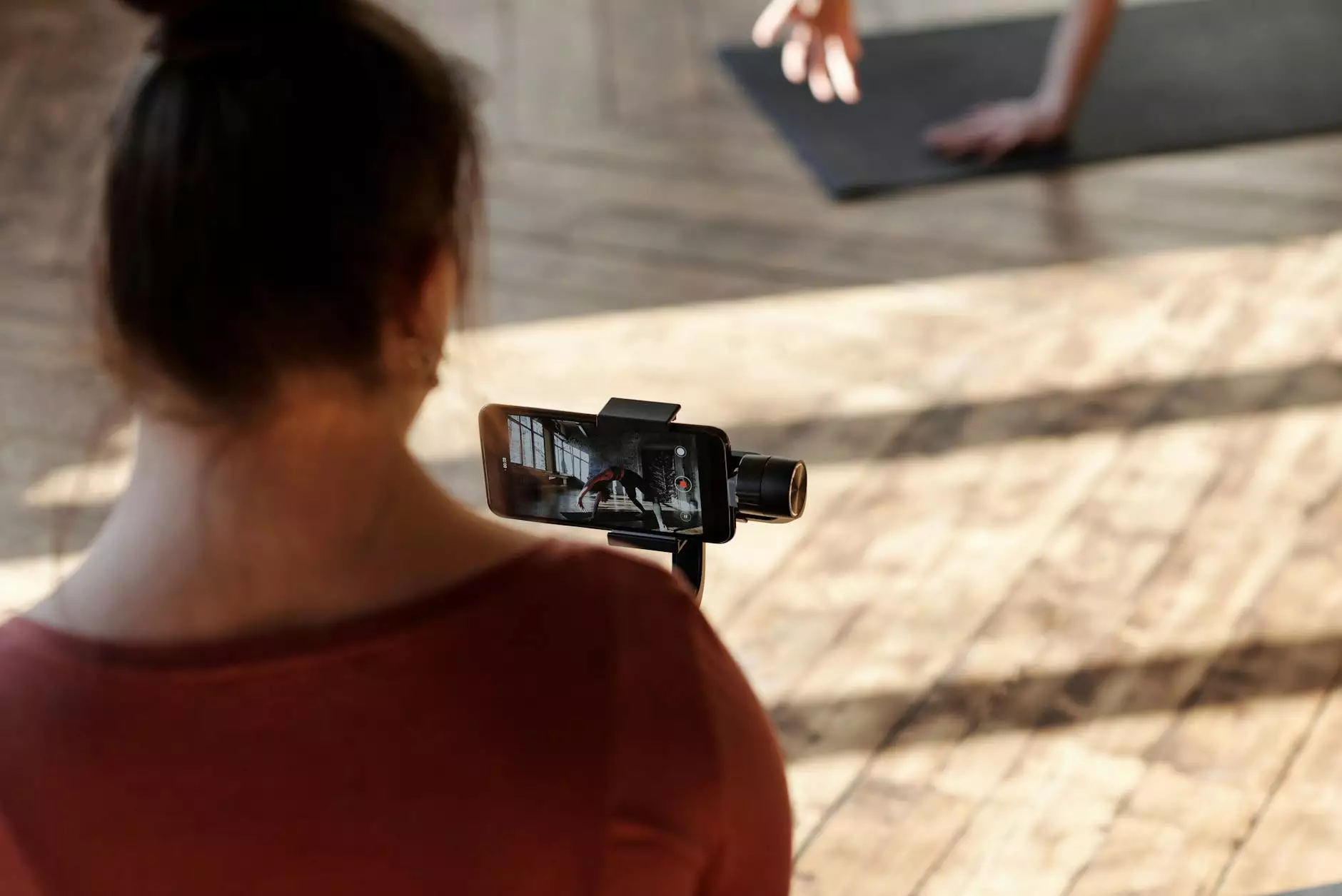
In today's fast-paced business environment, effective communication is more critical than ever. This is especially true in industries reliant on creativity and collaboration, such as media, marketing, and entertainment. One of the most innovative approaches to enhancing feedback loops is through the use of creative video feedback. This modern method not only streamlines communication but also offers a rich, engaging way to share ideas and critiques.
The Importance of Feedback in Business
Feedback is the engine that drives improvement and innovation in any organization. It helps to:
- Identify Improvements: Constructive feedback highlights areas needing attention.
- Encourage Collaboration: Open communication fosters a team-oriented environment.
- Enhance Learning: Employees grow and develop skills through regular feedback sessions.
However, traditional feedback methods often fall short. Creative video feedback redefines this process, making it more interactive and effective.
What is Creative Video Feedback?
Creative video feedback involves using video technology to provide insightful, visual, and verbal feedback on work products, such as videos, presentations, or design drafts. This innovative method leverages visual engagement and personal connections, making feedback more impactful. Unlike written comments that can often be misunderstood, video feedback adds tone, emphasis, and personality to the conversation.
How Creative Video Feedback Improves Media Review and Collaboration
Utilizing creative video feedback in media review processes facilitates rich, meaningful exchanges among team members. Here’s how:
1. Enhancing Clarity and Understanding
Video allows for dynamic expression, where tone, body language, and facial expressions contribute to the message. This leads to:
- Improved Message Delivery: A visual and auditory format minimizes misunderstandings.
- Contextual Clarity: Reviewers can show specific examples directly within the content, making points clearer.
2. Increasing Engagement
Feedback sessions using video can create a more engaging experience. Employees are often more responsive when they can see and hear their peers:
- Personal Connection: Video bridges gaps and creates a more personal connection.
- Interactive Formats: Teams can collaborate in real-time, discussing changes as they view content together.
3. Boosting Productivity
By streamlining the feedback process, businesses can enhance productivity:
- Time Efficiency: Teams save time by reducing the back-and-forth of written comments.
- Quick Turnaround: Faster feedback cycles allow for swifter project completions.
Best Practices for Implementing Creative Video Feedback
To maximize the benefits of creative video feedback, consider the following best practices:
1. Define Objectives Clearly
Before recording feedback videos, it’s essential to establish clear objectives. Outline what you want to achieve, such as:
- Improving a specific aspect of the project.
- Encouraging creativity and innovation.
- Addressing team collaboration issues.
2. Choose the Right Tools
Select software that enhances the video feedback process. Look for features such as:
- Screen Recording: Allow reviewers to capture their screen while providing feedback.
- Editing Tools: Enable easy annotations and editing of the video for clarity.
3. Foster a Feedback-Friendly Culture
Encouraging a culture that values and appreciates feedback is key. Tips include:
- Lead by Example: Management should demonstrate openness to feedback.
- Provide Training: Equip teams with training on giving and receiving video feedback effectively.
Case Studies: Successful Implementation of Video Feedback in Businesses
Many companies have successfully adopted creative video feedback methods, demonstrating its impact:
1. Advertising Agencies
Top advertising firms have seen increased client satisfaction rates by implementing video feedback. This method enabled creative directors to articulate their visions more clearly, leading to better alignment with clients’ expectations.
2. Educational Institutions
Schools and universities are utilizing video feedback to enhance student projects. Teachers provide detailed critiques, guiding students through their learning processes, fostering a better understanding of expectations.
3. Software Development Teams
Development teams have incorporated video feedback into their agile workflows. By reviewing code and prototypes collaboratively via video, teams increase their efficiency and produce higher-quality products.
Potential Challenges of Creative Video Feedback
While the advantages are evident, some challenges must be addressed:
1. Technical Issues
Not every team member may be comfortable with technology. Companies should ensure:
- Training Resources: Offer necessary training on the use of video tools.
- Technical Support: Provide ongoing technical assistance to resolve any issues that may arise.
2. Overwhelming Volume of Feedback
Without a clear structure, too much feedback can be overwhelming. To mitigate this:
- Prioritize Feedback: Focus on key areas that will drive the most impactful changes.
- Set Feedback Limits: Define boundaries for how many video feedback sessions can be conducted in a week.
Conclusion: The Future of Feedback in Business
The world of business communication is evolving, and tools like creative video feedback represent the future of effective collaboration. With its ability to enhance clarity, engagement, and productivity, this method equips teams to work more efficiently and creatively. By implementing best practices and being aware of potential challenges, businesses can thrivingly integrate this innovative approach into their feedback processes, ultimately leading to better outcomes and stronger team dynamics.
As we move forward, embracing technology that facilitates open dialogue will be critical. Creative video feedback is not just a trend; it's a vital strategy that should be considered by every forward-thinking organization striving for excellence in communications and collaborations.