Enhancing Grain Care: The Key to Successful Farming
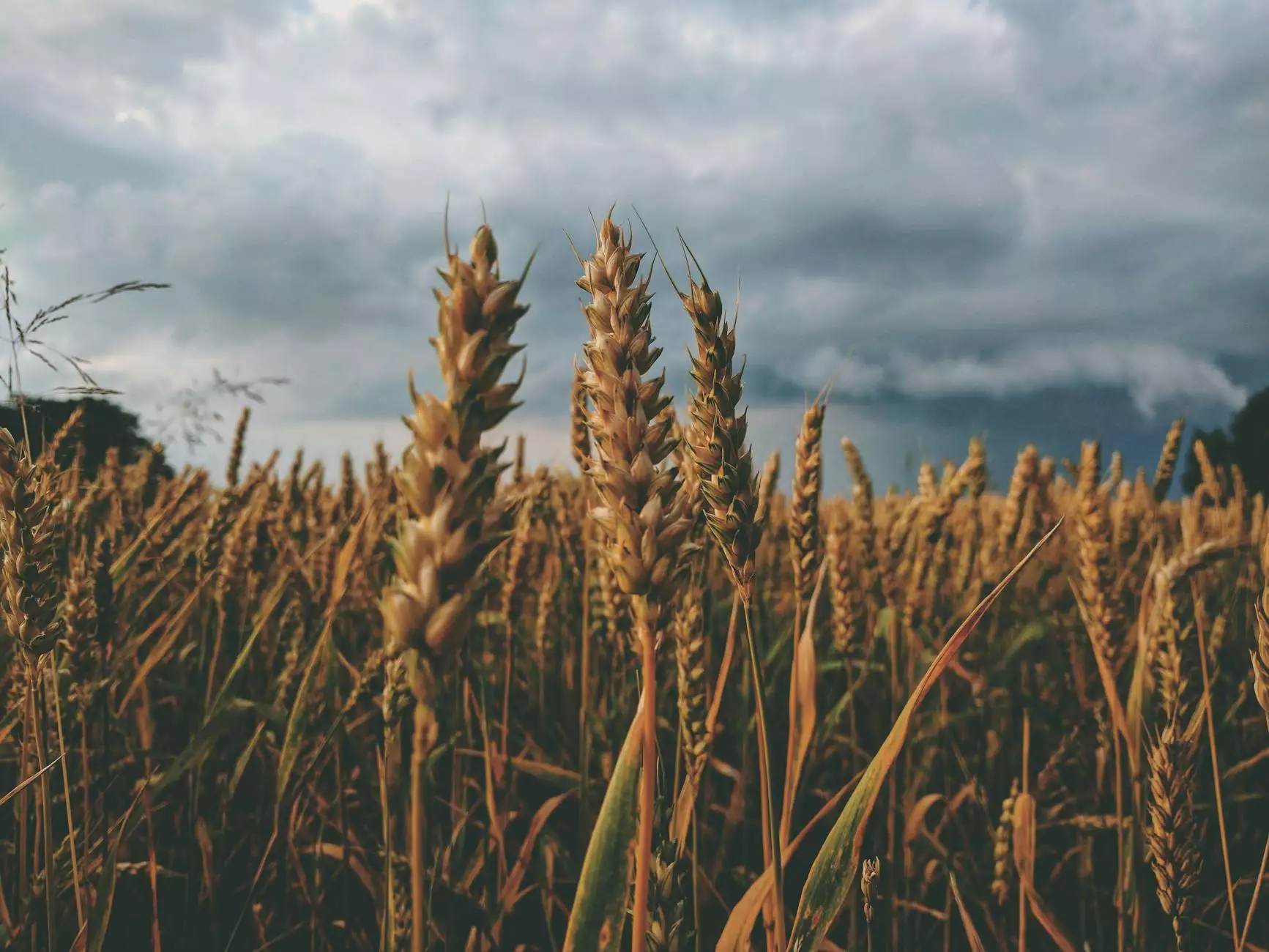
Grain care is not just a buzzword in the farming industry; it represents a holistic approach to maintaining the health and productivity of grains throughout their lifecycle. As the backbone of agricultural production, the integrity and quality of grain directly affect not only yields but also profitability. In this article, we will delve deep into the various aspects of grain care, exploring critical processes, technologies, and maintenance practices that can significantly enhance grain management for farmers.
Understanding Grain Care
The term grain care encompasses a wide array of activities and strategies aimed at ensuring the optimal handling, storage, and processing of grain. This includes:
- Harvesting Practices: Techniques employed during harvesting to minimize damage and losses.
- Storage Solutions: Methods and technologies used to store grain safely and efficiently.
- Quality Management: Procedures to maintain the quality of grain throughout its lifecycle.
- Equipment Maintenance: Regular upkeep of farming machinery to ensure efficiency and longevity.
- Health Monitoring: Strategies to monitor and manage the health of grains during storage.
Importance of Proper Grain Care
Implementing effective grain care tactics is crucial for several reasons:
- Maximizing Yield: Proper grain care guarantees that more of the harvested grain reaches the market in good condition, ultimately boosting profits.
- Reducing Waste: Good management practices can minimize spoilage and waste, ensuring that farmers make the most out of their efforts.
- Improving Quality: Maintaining grain quality through care strategies not only benefits the farmers but also ensures customer satisfaction and loyalty.
- Enhancing Shelf Life: Proper storage conditions help in prolonging the shelf life, which is vital for marketability.
Key Elements of Effective Grain Care
1. Advanced Harvesting Techniques
Harsh weather and traditional harvesting methods can lead to significant grain loss. By adopting advanced harvesting techniques, farmers can significantly reduce damage. This includes:
- Using Precision Agriculture: Employing GPS and software tools to plan harvesting operations can optimize timing and reduce losses.
- Investing in Quality Equipment: Upgrading to modern harvesting equipment ensures that grains are handled gently, minimizing breakage.
2. Optimal Grain Storage Solutions
Proper storage is pivotal in grain care. Implementing the right storage solutions plays a vital role in preserving grain quality. Here are some strategies:
- Aeration Systems: Adequate aeration helps control temperature and moisture levels, creating a stable environment for grain storage.
- Clean Storage Facilities: Keeping storage areas clean and free of pests minimizes contamination risks.
- Monitoring Tools: Utilizing moisture meters and temperature sensors allows farmers to keep track of storage conditions in real-time.
3. Quality Control Measures
To maintain high-quality standards, farm owners must implement a robust quality management system. This involves:
- Regular Inspections: Frequent checks for pests, diseases, and moisture levels ensure that any issues are caught early.
- Documentation Practices: Keeping records of quality checks and assessments can help track changes over time.
4. Equipment Maintenance for Grain Care
Regular maintenance of farming equipment is essential to ensure efficient grain handling. Properly maintained machinery performs better and reduces the risk of unexpected downtimes. Here are some essential practices:
- Scheduled Inspections: Establish a routine for checking equipment functionality and wear.
- Fluid Checks: Ensuring that all equipment is adequately lubricated and that fluids are at optimal levels can prevent mechanical failures.
5. Health Monitoring of Grains
Health monitoring of grains during storage is crucial. Integrated pest management (IPM) practices can help assess and mitigate risks efficiently:
- Pest Control Measures: Using traps and baits strategically can help monitor pest activity within stored grains.
- Temperature and Moisture Control: Continuing to assess the storage environment can prevent conditions that favor pest infestation.
Conclusion: Emphasizing Grain Care for Future Sustainability
In conclusion, grain care represents a critical component of successful farming operations. By adopting a comprehensive approach that includes advanced harvesting techniques, optimal storage solutions, rigorous quality control measures, diligent equipment maintenance, and effective health monitoring, farmers can not only enhance their yields but also contribute to a sustainable agricultural future. The importance of investing in grain care cannot be overstated — it is an investment in the longevity and profitability of any farming endeavor.
For agricultural businesses looking to enhance their operations, consider seeking expert advice and services from professionals in the field. Companies like TSGC Inc. offer specialized knowledge in areas such as farm equipment repair and farming equipment, providing farmers with the tools and insights needed to improve their grain management strategies significantly.
By taking proactive steps towards better grain care, farmers can ensure that they not only survive in a competitive market but thrive in it, securing their place in the agricultural industry for years to come.