Why Choosing the Right **Oncology Treatment Center** Matters
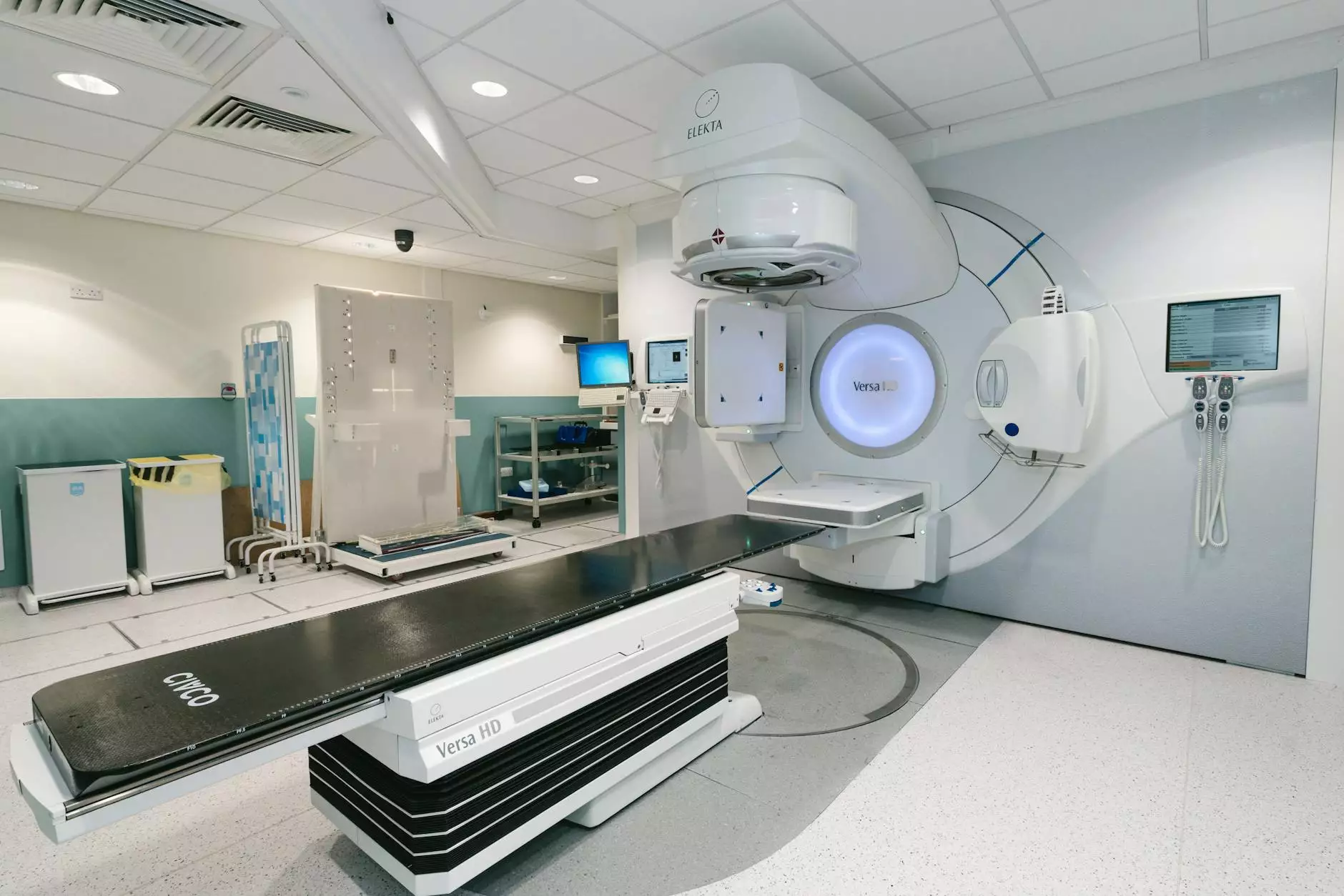
When faced with a cancer diagnosis, the journey to recovery begins with vital decisions, one of which is selecting the appropriate oncology treatment center. With advances in medical technology and a deeper understanding of cancer, patients now have access to innovative treatments and unparalleled support systems. In this article, we explore the critical factors to consider when choosing an oncology treatment center and the comprehensive services offered to enhance patient outcomes.
The Landscape of Oncology Care
Oncology care has evolved dramatically over the past few decades. Patients now have a plethora of options when seeking treatment, ranging from traditional approaches like chemotherapy and radiation to cutting-edge therapies such as targeted therapy and immunotherapy. This advancement in treatment options underscores the importance of selecting a center that specializes in the latest methods and technologies.
Types of Oncology Treatment Centers
It is essential to understand that not all oncology treatment centers are created equal. They can generally be categorized into several types, including:
- Academic Medical Centers: These institutions are affiliated with universities and typically engage in research-based treatments and clinical trials.
- Community Hospitals: Offering localized care, these centers provide essential oncology services while often referring complex cases to larger facilities.
- Comprehensive Cancer Centers: Recognized by the National Cancer Institute, these centers excel in research and provide a wide array of treatment options.
- Specialized Cancer Clinics: Focused on specific types of cancer, these clinics often offer a depth of expertise in niche areas.
Factors to Consider When Choosing an Oncology Treatment Center
Expertise and Specialization
One of the foremost considerations when selecting an oncology treatment center is the expertise of its medical staff. Look for centers where oncologists are board-certified and have substantial experience in treating your specific type of cancer. Additionally, multidisciplinary teams that include medical oncologists, surgical oncologists, radiation oncologists, and supportive care specialists collaboratively develop personalized treatment plans. This integrated approach can significantly impact treatment outcomes.
Access to Advanced Technology
Modern cancer treatment relies heavily on advanced technology. Top-tier oncology treatment centers are equipped with:
- State-of-the-Art Imaging: Technologies like MRI, CT scans, and PET scans help in accurate diagnosis and treatment planning.
- Minimally Invasive Surgical Technologies: Techniques such as laparoscopic surgery reduce recovery times and complications.
- Radiation Oncology Equipment: Advanced linear accelerators provide targeted radiation treatment with precision.
- Genomic Testing and Personalized Medicine: Understanding the genetic makeup of tumors allows for customized treatment approaches.
Comprehensive Support Services
Cancer treatment is not only about the medical aspect; the psychosocial support available is equally essential. A leading oncology treatment center should provide:
- Psychological Counseling: Emotional support is vital for coping with the diagnosis and treatment.
- Nutrition Services: Oncology nutritionists can guide patients in maintaining a strong body during treatments.
- Pain Management: Ensuring comfort with appropriate pain relief strategies is crucial.
- Support Groups: Connection with other patients can provide hope and shared experiences.
Research and Clinical Trials
Many oncology treatment centers are at the forefront of cancer research, providing patients with access to clinical trials for new therapies and medications. Engaging in a clinical trial can offer options that are not yet widely available, with the potential for groundbreaking treatment. Investigating whether a center is involved in research initiatives can be beneficial for patients seeking cutting-edge solutions.
Patient-Centric Care
In the context of oncology, patient-centric care is critical. A patient-oriented approach includes providing personalized care plans, compassionate communication, and honoring individual patient preferences. It’s important to choose a center that prioritizes patient education, ensuring that patients and their families are well informed about their treatment options, side effects, and coping strategies.
Insurance and Financial Assistance
Healthcare costs can be daunting, particularly in cancer care. It is crucial to ascertain whether the oncology treatment center you are considering accepts your insurance plan. Additionally, many centers offer financial counseling and assistance programs to help patients navigate their options and minimize out-of-pocket expenses. Understanding the financial implications upfront can alleviate stress during treatment.
Location and Accessibility
Convenience plays an important role in the decision-making process. Consider the location of the oncology treatment center and how accessible it is for regular visits. Frequent treatments may require frequent trips, so proximity can significantly influence overall comfort and ease during treatment.
Success Rates and Patient Testimonials
While statistics don’t tell the whole story, investigating a center’s success rates can provide insight into the quality of care provided. Look for oncology treatment centers that are transparent about their outcomes and are willing to share patient testimonials. Personal stories and experiences can offer assurance in your choice.
Integrative Care Approaches
Consider centers that recognize the value of integrative therapies in conjunction with conventional treatment. Incorporating practices such as acupuncture, massage therapy, and meditation can support the treatment process and enhance overall well-being. The holistic treatment plans focus on nurturing the entire person, not just the illness.
Conclusion: Making the Right Choice
Choosing an oncology treatment center is a significant decision that can affect not only the course of treatment but also the quality of life during and after cancer care. By considering factors such as expertise, technology, support services, and patient-centric care, patients can make informed choices that align with their needs and values.
At the end of the day, the goal is to receive comprehensive and compassionate care tailored to each individual's unique situation. Researching and visiting different centers can help build a picture of the right fit, ensuring that patients receive not just treatment but also hope and support as they navigate their cancer journey. Remember, you are not alone, and the right oncology treatment center can be a beacon of hope during challenging times.
For more information about specialized oncology care and to find the right oncology treatment center for your needs, consider visiting oncologicalsurgery.net.