Understanding Real Estate and Construction Law
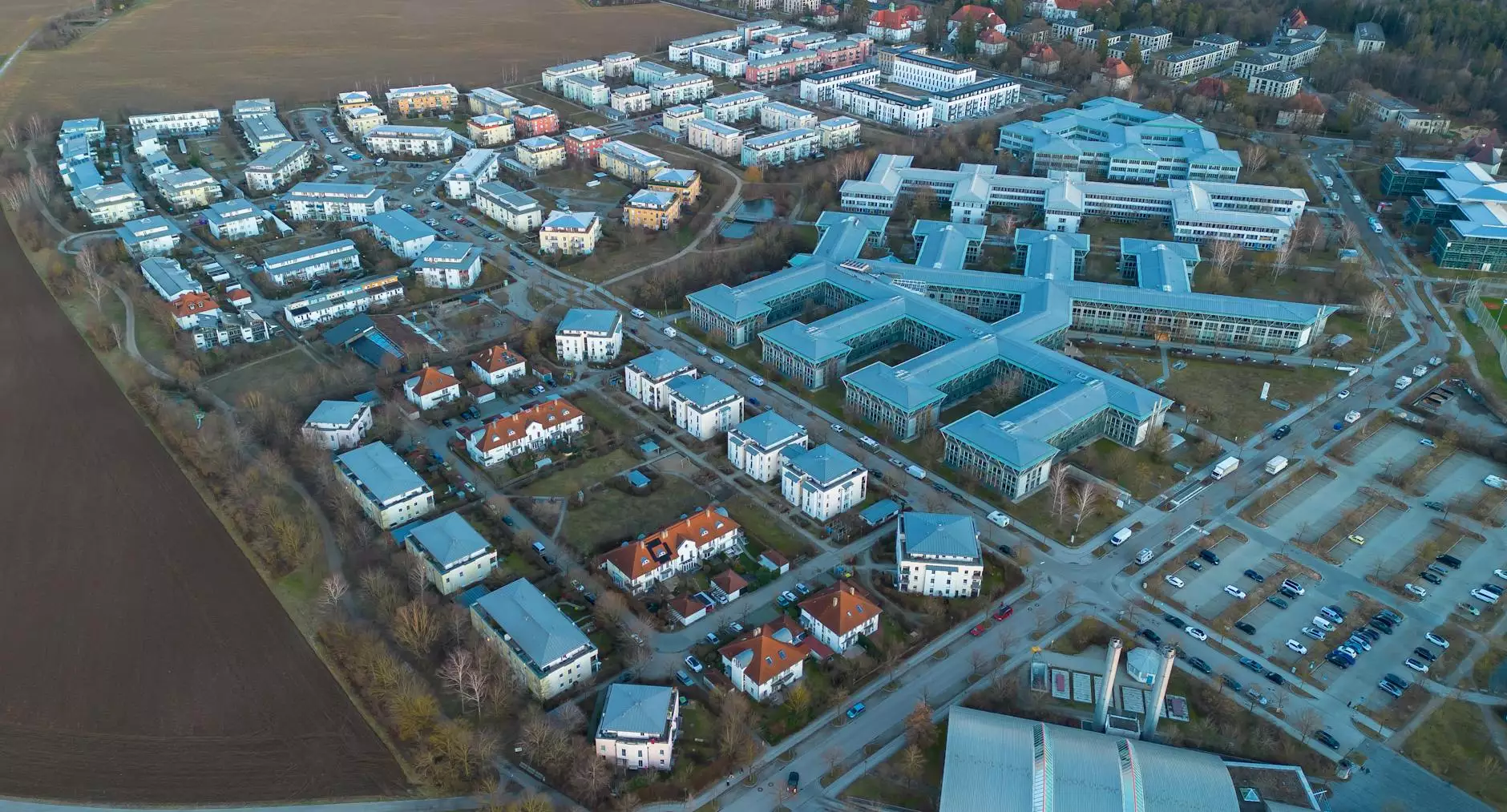
In the dynamic landscape of real estate and construction law, practitioners and stakeholders are often confronted with complex legal frameworks that govern property transactions, contract execution, and construction practices. This article delves into the essential elements of these legal frameworks, providing clarity and insight into the myriad components that shape the real estate and construction industries.
The Fundamentals of Real Estate Law
At its core, real estate law encompasses the regulations governing land and the structures affixed to it. It extends to the rights and obligations of property owners, prospective buyers, tenants, and landlords. Key components include:
- Property Rights: Refers to the legal rights individuals hold regarding ownership, use, and transfer of real property. This area includes absolute ownership, leasehold interests, and easements.
- Transactions and Sales: Governed by various laws and regulations, real estate transactions often necessitate clear titles, property disclosures, and adherence to the statute of frauds.
- Land Use and Zoning: Local governments enforce land use regulations, zoning laws, and building codes that dictate what can be constructed where, ensuring compliance with community standards.
Construction Law: Navigating the Complexities
Construction law is a specialized area that addresses the legal relationships and technical matters associated with the construction of structures. It involves numerous stakeholders, including property owners, contractors, subcontractors, suppliers, and architects. Key aspects include:
- Contracts: The backbone of the construction process. These include general contracts, subcontracts, and purchase agreements that outline responsibilities, deadlines, and payment schedules.
- Liability and Insurance: Addresses the potential risks involved during construction phases, stipulating insurance requirements and liability sharing among parties involved.
- Employment Issues: Construction law also covers labor relations, safety regulations, and workers' compensation laws, ensuring fair treatment of workers and compliance with safety standards.
Critical Legal Terms in Real Estate and Construction
Understanding the terminology used in real estate and construction law is essential for both practitioners and stakeholders:
- Due Diligence: The investigative process that a buyer undergoes before completing a real estate transaction to uncover potential issues affecting the property's value or usability.
- Encumbrance: A claim or liability against a property, such as mortgages or liens, which may affect its transferability.
- Force Majeure: A contractual clause that frees both parties from liability or obligation in the event of an extraordinary event or circumstance beyond their control.
Legal Obligations in Property Transactions
Real estate transactions are underpinned by a host of legal obligations, ensuring fairness and transparency:
- Disclosure Requirements: Sellers are typically mandated to disclose known defects, adverse conditions, and other crucial information about a property before a transaction.
- Title Insurance: A provision that protects buyers from potential disputes regarding property ownership and other claims against the property not revealed during due diligence.
- Contingencies: Legal clauses that allow one or both parties to back out of a transaction under specific circumstances, further safeguarding their interests.
The Role of Legal Professionals in Real Estate and Construction
In navigating the complex terrains of real estate and construction law, the role of legal professionals is invaluable:
- Legal Advisors: Offer essential guidance on property transactions, ensuring compliance with local laws and regulations.
- Contract Negotiators: Facilitate contract negotiations, ensuring that all parties are protected and that the terms are favorable.
- Litigators: Serve a crucial role in representing clients in disputes that may arise during property transactions or construction processes.
Trends Impacting Real Estate and Construction Law
The real estate and construction sectors are continuously evolving due to economic, technological, and social forces. Notable trends include:
- Sustainability and Green Building: Increasing demand for eco-friendly construction practices prompts legal considerations surrounding environmental regulations and sustainability certifications.
- Technology Integration: The rise of technology in real estate, such as blockchain for property transactions, necessitates a revision of existing laws and regulations.
- Urbanization and Housing Demand: Rapid urbanization poses challenges related to zoning, housing shortages, and infrastructure development requiring regulatory adjustments.
Dispute Resolution Mechanisms in Real Estate and Construction
Disputes are an inevitable component of real estate and construction ventures. Understanding available resolution mechanisms can expedite conflict resolution:
- Mediation: A voluntary, non-binding process where a neutral third party assists disputing parties in reaching an agreement.
- Arbitration: A legally binding process whereby a neutral arbitrator makes decisions on disputes, often favored for its efficiency compared to court litigation.
- Litigation: The formal process of resolving disputes through the judicial system, encompassing various stages such as discovery, trial, and appeal.
The Importance of Compliance in Real Estate and Construction
Compliance with regulations is paramount in both real estate and construction sectors to mitigate legal risks. This includes adherence to:
- Building Codes: Local regulations dictating the design and construction standards to ensure safety and sustainability.
- Environmental Laws: Statutes governing land use, waste disposal, and resource management to protect the environment.
- Contractual Obligations: Ensuring that all parties honor their contractual commitments to avoid potential breaches that can lead to litigation.
Conclusion: The Path Forward in Real Estate and Construction Law
As we delve deeper into the complexities of real estate and construction law, it becomes evident that a profound understanding of both fields is crucial for practitioners, investors, and stakeholders alike. The combination of legal knowledge, industry awareness, and proactive compliance strategies is essential in navigating the intricate web of regulations that govern these sectors. The landscape will continue to evolve, but those equipped with robust legal insight and adaptability will thrive in the burgeoning opportunities within real estate and construction.
For further guidance and expert assistance in navigating the challenges posed by real estate and construction law, the dedicated professionals at AJALawFirm.com are here to help.