Laparoscopic Unilateral Salpingo Oophorectomy: Understanding the Procedure and Its Benefits
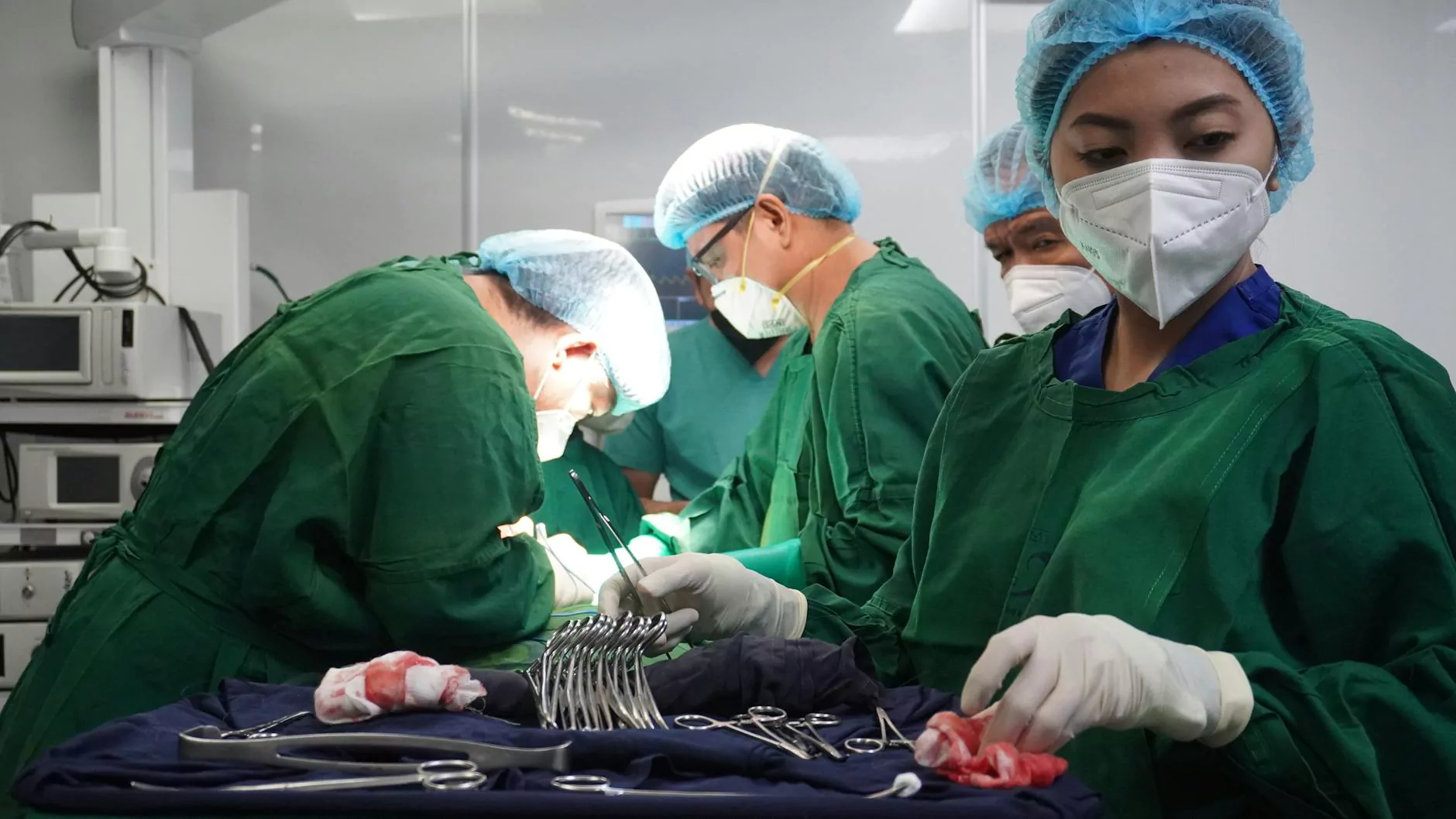
Laparoscopic unilateral salpingo oophorectomy is an increasingly common surgical procedure performed by gynecologists, including specialists like those at Dr. Seckin's clinic. This minimally invasive surgery involves the removal of one ovary and its corresponding fallopian tube through small incisions in the abdomen, leading to quicker recovery times and less postoperative pain compared to traditional surgical methods.
What is Laparoscopic Unilateral Salpingo Oophorectomy?
The term "laparoscopic unilateral salpingo oophorectomy" refers to a specific surgical approach designed to treat various gynecological conditions. The term can be broken down into three parts:
- Laparoscopic: This refers to a minimally invasive technique involving small incisions and the use of a camera (laparoscope) to guide the surgery.
- Unilateral: This means that only one side (one ovary and one fallopian tube) is being addressed.
- Salpingo Oophorectomy: This is the surgical removal of a fallopian tube (salpingectomy) and an ovary (oophorectomy).
Indications for the Procedure
Laparoscopic unilateral salpingo oophorectomy is indicated for various medical conditions, including but not limited to:
- Ovarian Cysts: These fluid-filled sacs can cause pain or hormonal issues; removal may be necessary if they are large or symptomatic.
- Endometriosis: This condition, characterized by the presence of endometrial tissue outside the uterus, may lead to severe pain and fertility issues.
- Ovarian Tumors: Both benign and malignant tumors may necessitate removal for diagnostic or therapeutic reasons.
- Hydrosalpinx: This condition occurs when a fallopian tube is blocked and filled with fluid, potentially causing infertility.
Benefits of Laparoscopic Technique
The laparoscopic approach to unilateral salpingo oophorectomy offers numerous benefits, including:
- Reduced Recovery Time: Patients typically experience a shorter recovery period compared to open surgery, often resuming daily activities within a few weeks.
- Minimal Scarring: Small incisions result in less noticeable scars, making it a cosmetically favorable option.
- Less Pain: This method tends to result in less postoperative pain, which can lead to decreased reliance on pain medications.
- Lower Risk of Infection: Due to the smaller incisions and reduced exposure of internal organs, there is a decreased risk of surgical site infections.
The Surgical Procedure: What to Expect
Before undergoing a laparoscopic unilateral salpingo oophorectomy, patients should discuss all concerns and expectations with their healthcare provider. Here’s a breakdown of what typically occurs during the procedure:
Preparation
Prior to the procedure, patients may undergo imaging studies such as ultrasounds or MRIs to assess the ovaries and surrounding areas. Pre-operative blood tests and consultations are also typically required.
Anesthesia
The surgery is performed under general anesthesia, ensuring that the patient remains unconscious and free of pain throughout the entire procedure.
Procedure Steps
The steps of the laparoscopic unilateral salpingo oophorectomy include:
- Incision Creation: The surgeon makes a few small incisions in the abdomen, usually around the umbilicus and other targeted areas.
- Trocar Insertion: A trocar, a hollow instrument, is inserted through one of the incisions to allow for the establishment of a gas-filled abdominal cavity.
- Laparoscope Insertion: The laparoscope, which contains a camera, is inserted to provide visibility of the pelvic organs.
- Removal of Ovary and Fallopian Tube: The surgeon carefully detaches the affected ovary and fallopian tube, ensuring to avoid damage to surrounding structures. They may utilize specialized instruments to facilitate this task.
- Closure: Once the removal is complete, the surgeon will ensure that any bleeding is controlled, remove the laparoscope, and stitch the incisions closed.
Post-Operative Care and Recovery
Post-surgery, it is vital for patients to follow their healthcare provider’s instructions to ensure proper healing. Key points include:
- Manage Pain: Mild to moderate pain is common; over-the-counter pain relievers are often recommended.
- Rest: It is essential to allow the body adequate time to heal, so patients should take it easy for several days.
- Monitor for Complications: Signs of infection or complications should be reported to the healthcare provider immediately.
Potential Risks and Complications
While laparoscopic unilateral salpingo oophorectomy is generally safe, it is not without risks. These may include:
- Anesthesia Risks: As with any procedure requiring anesthesia, there are inherent risks involved.
- Infection: Surgical site infections can occur, although they are relatively rare.
- Hemorrhage: Excessive bleeding during or after the procedure can be a concern.
- Damage to Surrounding Organs: There is a small risk of injury to surrounding organs such as the bladder or intestines.
The Impact of Laparoscopic Unilateral Salpingo Oophorectomy on Fertility
For patients considering this procedure, understanding the impact on fertility is crucial. The removal of one ovary typically does not significantly affect overall fertility, as women have two ovaries and can often still conceive naturally. However, pre-existing conditions that led to the surgery may influence fertility. Patients should consult with their doctors about their specific circumstances and any fertility preservation options if necessary.
Choosing the Right Surgeon
Selecting a skilled and experienced surgeon is critical to the success of a laparoscopic unilateral salpingo oophorectomy. When looking for a surgeon, consider the following:
- Board Certification: Ensure that the surgeon is board-certified in obstetrics and gynecology.
- Experience: Inquire about the surgeon’s experience with laparoscopic procedures, specifically unilateral salpingo oophorectomies.
- Patient Reviews: Read feedback from previous patients to gauge the surgeon's reputation and outcomes.
- Consultation Availability: Make sure that the surgeon is willing to discuss all concerns and answer questions during the consultation.
Conclusion: A Step Towards Health
Laparoscopic unilateral salpingo oophorectomy is an effective and modern approach to addressing various gynecological issues. With advancements in surgical techniques, many women experience quicker recovery times and fewer complications than with traditional surgery. If you are considering this procedure, it is essential to consult with experienced professionals at Dr. Seckin's clinic to understand your options fully.
Empower yourself with knowledge and discuss your symptoms with a qualified healthcare provider to determine if laparoscopic unilateral salpingo oophorectomy is the right choice for your health needs.