Unlocking the Potential of Frozen Chicken Exporters
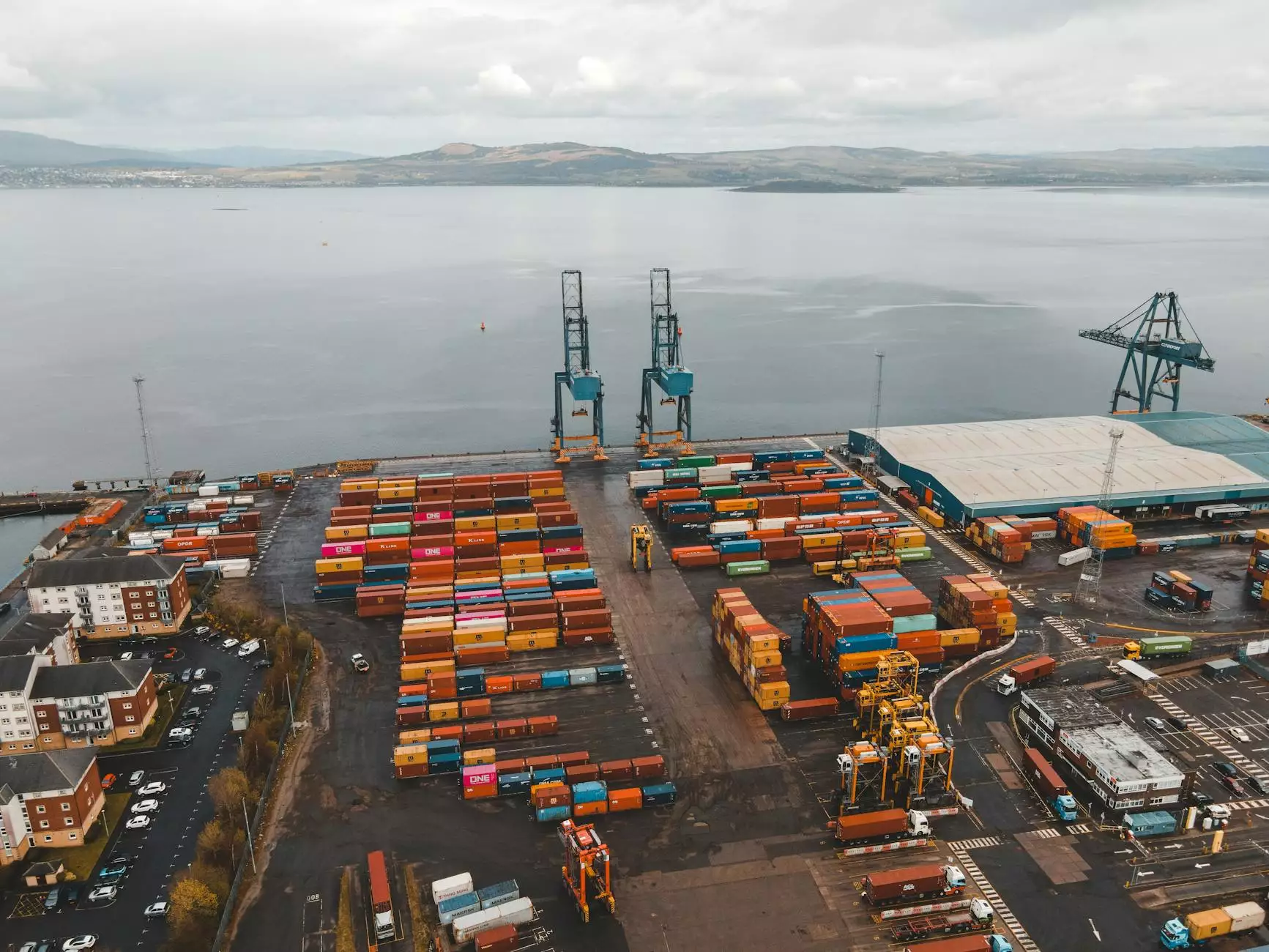
The global market for frozen chicken has been expanding, driven by increasing demand for protein-rich foods and the versatility of chicken as a culinary ingredient. Frozen chicken exporters are situated at the heart of this booming market, servicing regions worldwide with high-quality poultry. Understanding the dynamics of this industry, particularly focusing on Brazilian poultry exporters and chicken in bulk, can provide valuable insights for businesses and consumers alike.
The Global Landscape of Frozen Chicken Exports
The frozen chicken export segment plays a crucial role in the global agricultural landscape. Countries engage in this sector not only to satisfy domestic consumption but also to tap into international markets. Major exporters, such as Brazil, the United States, and Thailand, are well regarded for their efficient processing, production capabilities, and adherence to stringent quality standards.
Brazil: A Leader in Poultry Exports
Brazil stands out as one of the largest exporters of frozen chicken globally. The country boasts a well-established infrastructure for poultry farming, which includes vast farms equipped with modern technologies. Brazilian poultry exporters focus on producing high-quality chicken that meets international health regulations.
Innovative Farming Practices
The success of Brazilian poultry exporters can be attributed to their innovative farming practices. These include:
- Biosecurity Measures: Ensuring that farms are protected from diseases, which can severely impact production.
- Sustainable Farming: Many Brazilian exporters are implementing sustainable practices that promote animal welfare and minimize environmental impact.
- High-Quality Feed: Utilizing scientifically formulated feed that enhances growth and overall health of the chickens.
Market Reach and Distribution
With an extensive supply chain network, Brazilian frozen chicken exporters efficiently distribute their products worldwide. Key regions targeted include:
- Europe
- The Middle East
- Asia-Pacific
- Africa
This geographical diversity allows for consistent demand and helps to mitigate risks associated with market fluctuations.
Understanding Chicken in Bulk: The Business Model
The business model for chicken in bulk involves selling large quantities of frozen chicken to various stakeholders, including retailers, restaurants, and food service sectors. This bulk distribution is advantageous for both suppliers and buyers.
Benefits for Buyers
Purchasing chicken in bulk offers numerous benefits, such as:
- Cost-Effectiveness: Bulk purchases usually come with discounts, significantly lowering the price per unit.
- Consistent Supply: Businesses can rely on a steady supply of frozen chicken, essential for planning and operations.
- Quality Assurance: Reputable bulk suppliers, especially Brazilian exporters, maintain high standards for their products, ensuring buyers receive top-quality chicken.
Logistical Considerations for Frozen Chicken Exporters
One of the most critical aspects of being a frozen chicken exporter is managing logistics. The process involves several steps:
- Processing: Once harvested, the chicken undergoes processing in state-of-the-art facilities.
- Packaging: It's crucial to use packaging that preserves quality during transportation and storage.
- Cold Chain Management: Maintaining the cold chain throughout shipping is essential for preserving the integrity of the product.
- Distribution: Efficient distribution channels must be in place to ensure timely delivery to international markets.
The Future of Frozen Chicken Exports
Looking ahead, the frozen chicken export industry is set to evolve with several emerging trends. By understanding these trends, frozen chicken exporters can enhance their strategic approaches.
Health and Nutrition Trends
Consumers are becoming increasingly health-conscious, leading to a demand for healthier chicken options. Frozen chicken exporters are responding to this by:
- Offering organic and antibiotic-free products.
- Promoting leaner cuts and portion-controlled options.
- Emphasizing nutritional values on packaging to cater to informed consumers.
Technological Advancements
Technological innovations are reshaping the entire supply chain. Key advancements include:
- Processing Technology: Automation in processing plants is increasing efficiency and output.
- Traceability Systems: Enhanced tracking of products from farm to table is being implemented, bolstering food safety.
- Blockchain: Some exporters are adopting blockchain technology for enhanced transparency and traceability.
Environmental Sustainability
As global awareness of environmental issues rises, the demand for sustainable practices continues to grow. Frozen chicken exporters are adapting by:
- Implementing eco-friendly packaging solutions to reduce plastic waste.
- Investing in renewable energy sources for production processes.
- Engaging in sustainable waste management practices.
Conclusion: Embracing Opportunities in the Frozen Chicken Export Market
The frozen chicken exporters market presents significant opportunities for growth and innovation. With Brazil leading the charge, understanding the intricacies of this market—from Brazilian poultry exporters to the logistics of chicken in bulk—is essential for stakeholders at all levels. As consumer preferences continue to shift and technology advances, those involved in this vibrant industry must adapt and evolve. By focusing on quality, efficiency, and sustainability, frozen chicken exporters can thrive in this competitive landscape.
For those interested in entering the market or expanding their operations, frozenchickengroup.com serves as a hub of information and resources to navigate the complexities of the frozen chicken export business.