The Ultimate Guide to Door Lock Hardware
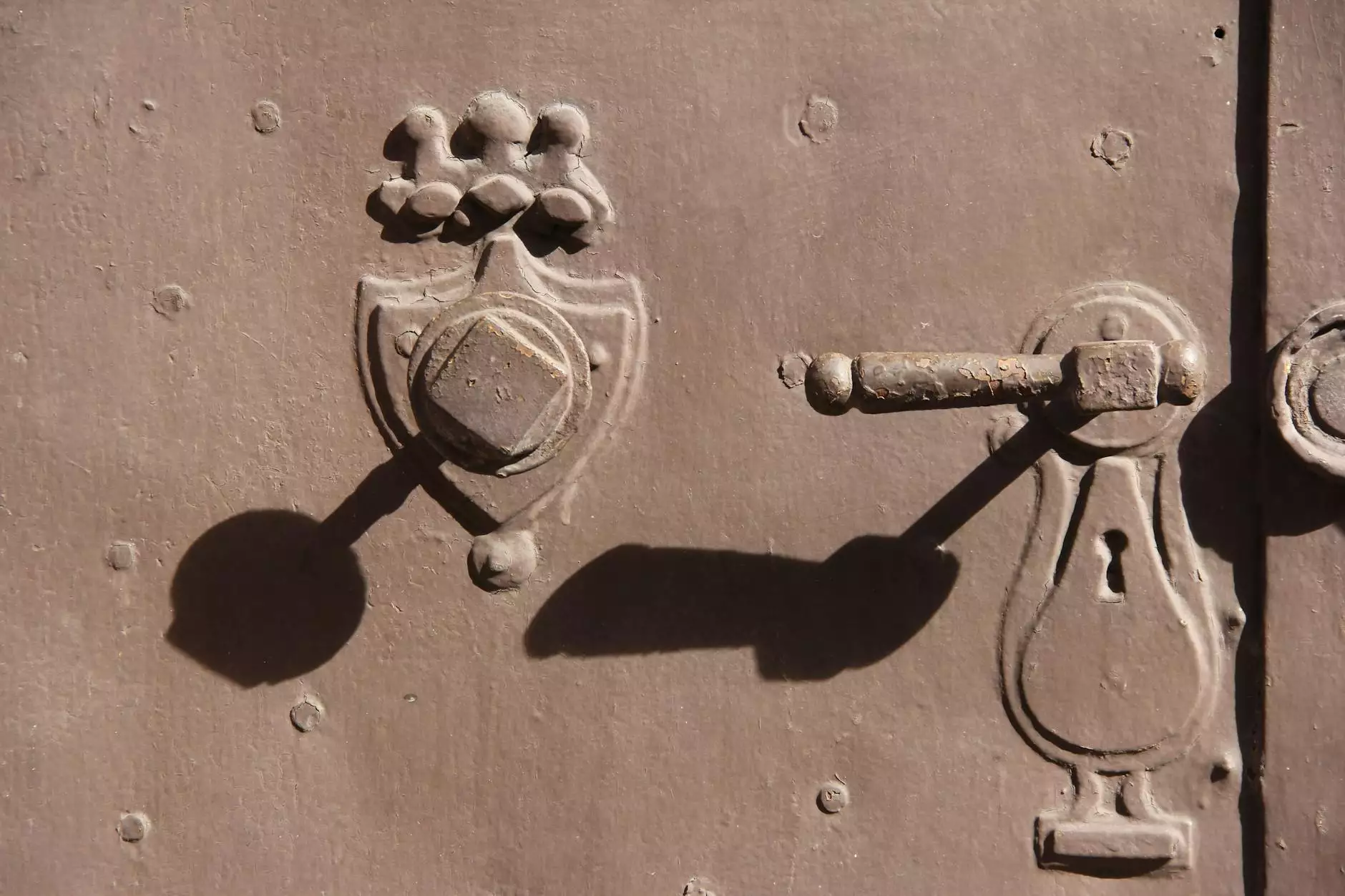
Door lock hardware is a critical component of any security system, whether it's for your home, office, or any commercial space. In a world where security threats are continually evolving, understanding the importance and functionality of the various types of door locks is paramount. This comprehensive guide will explore different types of door lock hardware, their features, benefits, and how to choose the right ones for your needs.
Understanding Door Lock Hardware
At its core, door lock hardware serves the essential function of protecting your property from unauthorized access. Beyond just a simple mechanism, modern door locks come equipped with innovative features that enhance security while offering convenience. Before diving into the different types of door lock hardware, it’s crucial to comprehend the fundamental components that constitute a typical door lock.
Key Components of Door Lock Hardware
- Deadbolt: A robust locking mechanism that requires a key or thumb turn to operate, providing significant resistance against forced entry.
- Latch Bolt: A spring-loaded bolt that keeps the door closed but allows it to be opened with a doorknob or lever.
- Strike Plate: A metal plate mounted on the door frame that reinforces the lock and helps secure the door when locked.
- Handle/Knob: The part of the door lock that you turn to open or close the door, often requiring a key or code.
Types of Door Lock Hardware
Choosing the right type of door lock hardware is essential for maximizing security. Here’s a detailed overview of popular types of door locks available today:
1. Deadbolt Locks
Deadbolt locks are among the most secure types of locking mechanisms. They offer increased resistance against drilling and forced entry, making them ideal for external doors. There are two primary types of deadbolts: single-cylinder and double-cylinder. A single-cylinder deadbolt can be locked or unlocked using a key from the outside and a thumb turn from the inside, while a double-cylinder deadbolt requires a key on both sides, enhancing security but requiring caution for emergency exits.
2. Knob Locks
Knob locks are commonly found in residential settings. They’re convenient to use and generally inexpensive; however, they offer less security than deadbolts. They are often used in conjunction with deadbolts for added security. The effectiveness of knob locks can be compromised due to their vulnerability to lock picking and bumping techniques.
3. Lever Handle Locks
Lever handle locks are a popular choice for commercial buildings and areas where frequent access is required. These locks are easier to operate than knob locks, making them accessible to individuals with disabilities. Lever locks provide moderate security and are often found on interior doors.
4. Smart Locks
Smart locks have revolutionized the way we think about door security. They offer advanced features like keyless entry, remote access, and integration with home automation systems. These locks use a variety of technologies, including Bluetooth, Wi-Fi, and biometric sensors. However, it’s essential to choose a reputable brand to minimize vulnerabilities associated with hacking.
5. Padlocks
Padlocks are versatile locking devices often used for gates, sheds, and lockers. They come in various sizes and strengths, making them suitable for different applications. Combination padlocks and key-operated padlocks are the two primary types. For optimal security, choose a hefty padlock with hardened steel construction.
Benefits of Investing in Quality Door Lock Hardware
When it comes to the safety of your property, investing in high-quality door lock hardware is non-negotiable. Here are a few compelling reasons why:
- Enhanced Security: Quality locks deter intruders more effectively than cheaper alternatives.
- Durability: High-grade materials withstand wear and tear better, prolonging the lifespan of your locks.
- Peace of Mind: Knowing that your locks are reliable gives you comfort, especially when you’re away from home.
- Increased Property Value: Well-chosen locks can enhance the overall value of your property.
Choosing the Right Door Lock Hardware
Selecting the best door lock hardware requires considering several factors, including security needs, budget, and the specific application. Here are key considerations to keep in mind:
1. Security Needs
Assess the level of security required for your doors. Exterior doors demand higher security solutions, while interior doors might not require as robust a system.
2. Type of Door
The door material can also dictate the kind of lock you should install. For instance, wooden doors often benefit from deadbolts and knob locks, while metal doors may require specific hardware designed for strength.
3. Aesthetics
The door lock hardware you choose should align with your home or office style. Available finishes range from polished brass to satin nickel, providing plenty of options for seamless integration.
4. Budget
Quality doesn’t always come cheap, but investing in reliable lock hardware is a long-term saving. Consider your budget while keeping in mind that a more expensive lock may offer lower overall costs due to its durability and effectiveness in preventing break-ins.
Installation of Door Lock Hardware
Proper installation of door lock hardware is essential for optimal performance and security. While many people opt for professional installation, understanding the basic steps can also empower you to do it yourself:
1. Gather Necessary Tools
Typically, you will need a screwdriver, measuring tape, and possibly a drill. Having these tools handy simplifies the installation process.
2. Remove the Old Lock
If you're replacing a lock, start by removing the old hardware. Unscrew the bolts and gently pull the lock out of the door.
3. Prepare the Door
Ensure that the new lock is compatible with your existing door hole and configuration. If not, you may need to drill a new hole. Ensure precise measurements for alignment.
4. Install the New Lock
Follow the manufacturer’s instructions closely. Install the deadbolt or knob by inserting it into the prepared hole, ensuring all components align correctly.
5. Test the Lock
Before finishing up, test your lock several times to ensure it functions smoothly. Make necessary adjustments if it does not operate as intended.
Maintaining Your Door Lock Hardware
Regular maintenance of your door lock hardware can significantly extend its lifespan and functionality. Here are useful tips for maintaining your locks:
1. Keep Locks Clean
Dust and debris may accumulate in and around your locks over time. Use a soft cloth to wipe the exterior, and occasionally use a lock lubricant to keep the internal mechanisms functioning smoothly.
2. Check for Wear and Tear
Frequently inspect your locks for any signs of damage or rust. If you notice dysfunctional elements, consider replacing them before they fail entirely.
3. Lubricate Moving Parts
Occasionally apply a silicone-based lubricant or graphite to the locks. This helps reduce friction and ensures a smoother operation.
Conclusion: Invest in Quality Door Lock Hardware
In conclusion, investing in quality door lock hardware is not merely about securing your property; it's about ensuring peace of mind. With a vast range of options available in the market today, understanding the features, benefits, and appropriate use of each type can help you make informed decisions. Whether you opt for traditional deadbolts or innovative smart locks, the primary goal remains the same: to safeguard your premises effectively.
For more information, services, and products related to door lock hardware, be sure to explore our offerings and choose what best fits your unique security needs.