Pectus Excavatum Cost: Comprehensive Insights and Solutions
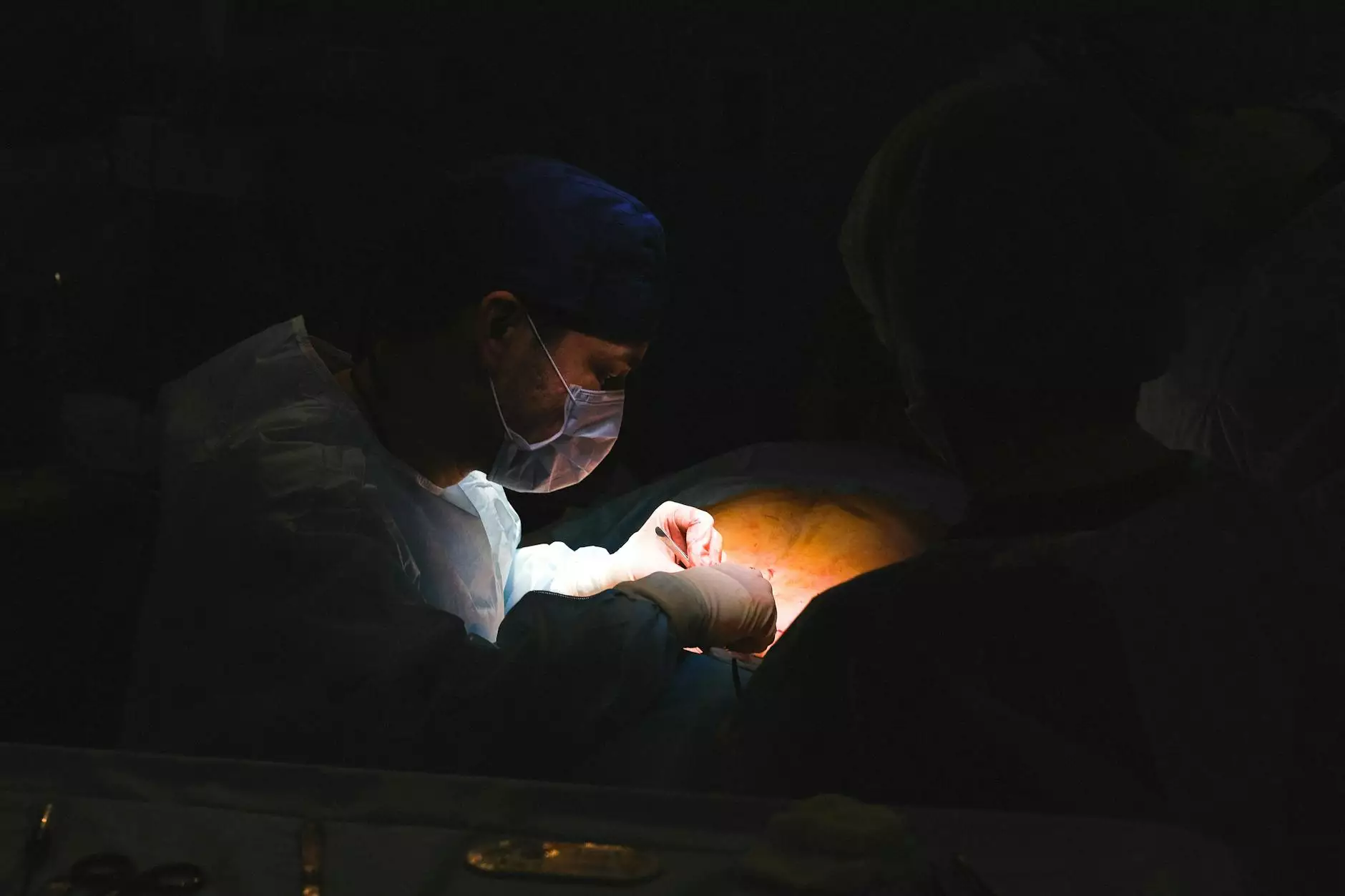
Pectus excavatum, or the "hollowed chest" condition, is a structural deformity of the chest wall characterized by a concave appearance of the sternum and rib cage. It has raised numerous concerns among individuals and their families, particularly regarding both physical health and aesthetic concerns. For many seeking treatment, understanding the pectus excavatum cost is a primary concern. This article aims to explore the variables influencing cost, the treatment options available, and how one can navigate this journey effectively.
Understanding Pectus Excavatum
Pectus excavatum occurs in approximately 1 in 300 individuals, making it one of the most common congenital chest wall deformities. The severity of this condition varies widely; while some individuals may only experience minor cosmetic issues, others may suffer from significant respiratory and cardiac implications. Early diagnosis and intervention can greatly enhance the quality of life of those affected.
Symptoms and Effects
The symptoms of pectus excavatum can manifest differently among individuals. Common symptoms include:
- Physical Appearance: The most noticeable symptom is the concavity of the chest.
- Breathing Difficulties: Some patients experience shortness of breath, especially during physical exertion.
- Cardiac Issues: Severe cases may lead to complications with heart function.
- Pain or Discomfort: Patients often report discomfort in the chest area.
Why Seek Treatment for Pectus Excavatum?
Seeking treatment for pectus excavatum is essential not only for cosmetic improvement but also for potential health benefits. Here are a few reasons to consider:
- Improved Respiratory Function: Treatment can lead to better lung capacity and oxygen intake.
- Enhanced Physical Performance: Many individuals report improved stamina and exercise tolerance after treatment.
- Psychological Benefits: Addressing this condition can boost self-esteem and confidence.
Examining Treatment Options
When it comes to treatment, there are generally two paths: surgical and non-surgical options. The choice largely depends on the severity of the condition and the age of the patient.
Surgical Options
Surgery is often considered the most effective method for severe cases of pectus excavatum. The two primary surgical methods are:
- Nuss Procedure: This minimally invasive technique involves inserting a curved metal bar beneath the sternum to correct the chest's shape.
- Ravitch Procedure: This traditional surgical procedure involves removing cartilage that attaches the ribs to the sternum, allowing the sternum to move into a more normal position.
Both procedures can significantly alter the appearance of the chest and alleviate associated health issues, but they also carry risks and costs that need to be considered.
Non-Surgical Options
For mild cases, some non-surgical options may be viable, including:
- Physical Therapy: Tailored exercises designed to strengthen the chest muscles.
- Bracing: Use of braces during the growth years may help to manage the condition.
- Monitoring: Regular check-ups may suffice for individuals without significant symptoms.
The Cost of Pectus Excavatum Treatment
Understanding the pectus excavatum cost is critical for planning treatment. The cost can vary significantly based on several factors:
- Type of Treatment: Surgical options usually incur higher costs compared to non-surgical options.
- Healthcare Facility: Costs can differ based on the reputation and location of the medical facility.
- Insurance Coverage: Many insurance plans cover treatment, but coverage can vary widely.
Surgical Costs
The surgical costs for pectus excavatum can range dramatically, often falling between $30,000 and $100,000. This includes:
- Pre-operative evaluations and imaging tests.
- Surgeon's and anesthesiologist’s fees.
- Use of the operating room and post-operative expenses.
It is beneficial to consult with your healthcare provider for a detailed cost analysis based on your situation. Moreover, many facilities offer payment plans or financing options.
Non-Surgical Costs
In contrast, non-surgical solutions like physical therapy usually incur a much lower cost, often ranging from $50 to $200 per session. In total, a comprehensive non-surgical approach may cost a few thousand dollars depending on the duration and frequency of treatments.
Finding the Right Healthcare Provider
Choosing the right medical provider is crucial in managing pectus excavatum. Here are some tips for selecting a healthcare facility:
- Specialization: Look for doctors with experience in thoracic surgery or specifically in treating chest wall deformities.
- Patient Reviews: Research patient experiences and outcomes to gauge the effectiveness of treatments.
- Consultation Availability: Ensure the facility provides comprehensive evaluations and follow-ups.
Conclusion
In conclusion, the cost of pectus excavatum treatment can vary widely, and understanding your options is critical for those affected by this condition. Whether choosing to pursue surgical or non-surgical interventions, informed decision-making is key. By selecting a qualified healthcare provider and considering all factors, individuals can navigate this journey with greater confidence and clarity.
If you or a loved one is facing the challenges of pectus excavatum and wish to explore treatment options, consider reaching out to elclinics.com for professional guidance tailored to your needs.