Comprehensive Guide to Dental Implants Implants: Transforming Smiles and Boosting Confidence
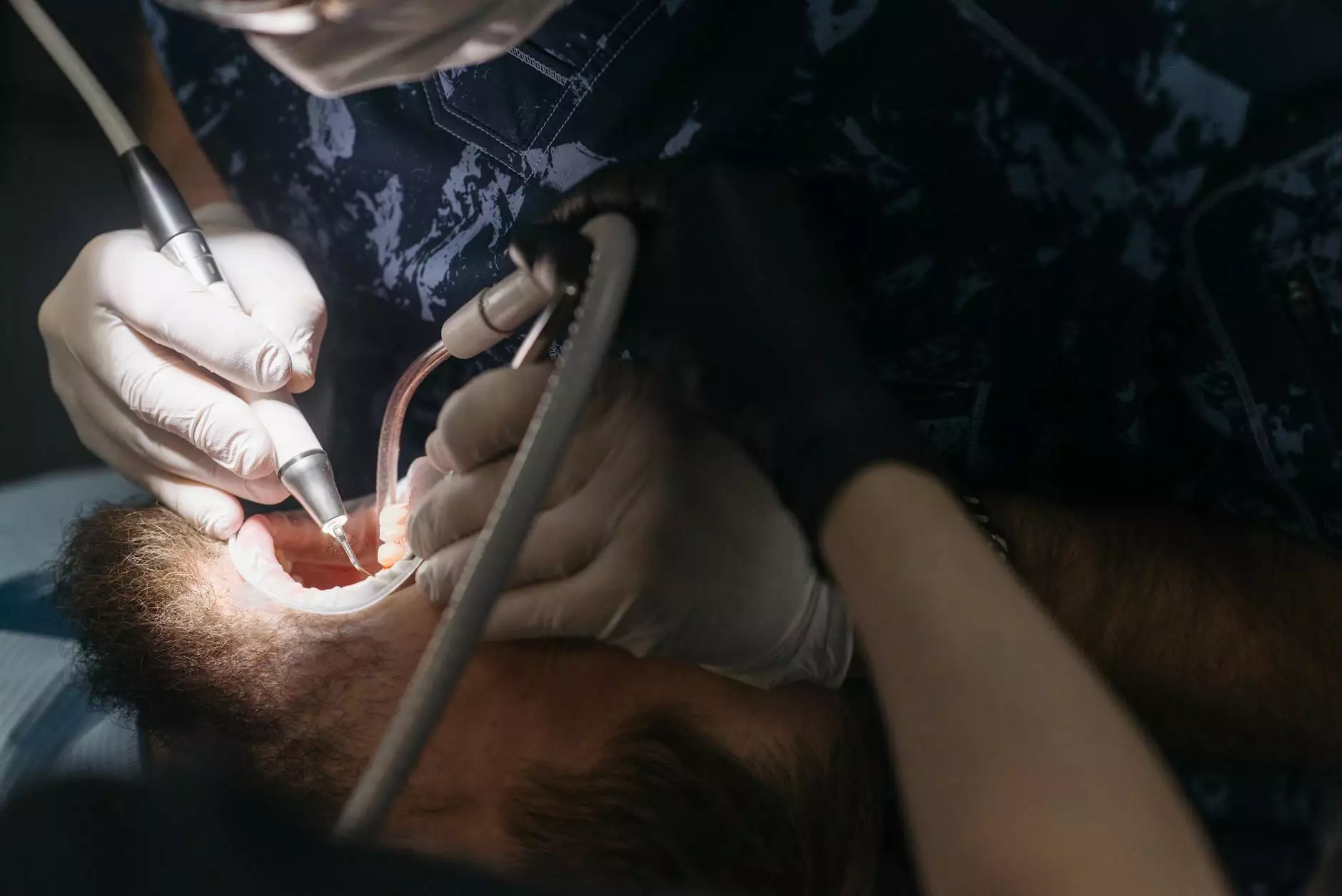
In the realm of modern dentistry, dental implants implants stand out as one of the most innovative and effective solutions for restoring missing teeth. Whether caused by decay, trauma, or disease, losing a tooth can profoundly impact an individual's confidence, oral health, and overall well-being. Today, advancements in dental implants implants technology are opening new doors for patients seeking durable, natural-looking, and functional dental restoration options. This comprehensive guide aims to provide detailed insights into dental implants implants, exploring their benefits, types, procedures, and how they are revolutionizing the field of dental health.
Understanding Dental Implants Implants: The Foundation of Modern Tooth Restoration
Dental implants implants are artificial tooth roots made from biocompatible materials such as titanium or zirconia, surgically placed into the jawbone to support replacement teeth like crowns, bridges, or dentures. They serve as a sturdy foundation for dental prostheses, mimicking natural teeth in both form and function. Their versatility and durability have made them the preferred choice for patients looking to restore their smiles seamlessly.
Components of Dental Implants Implants
- Implant Fixture: The titanium or zirconia post that integrates with the jawbone.
- Abutment: The connector that attaches the implant fixture to the prosthetic crown or bridge.
- Restorative Crown or Bridge: The visible part of the implant that replicates the natural tooth.
Benefits of Dental Implants Implants
Choosing dental implants implants offers numerous advantages that significantly enhance quality of life, oral health, and aesthetic appearance:
1. Exceptional Durability and Longevity
Unlike traditional dentures or bridges, dental implants implants are designed to last for decades or even a lifetime with proper care. The biocompatible materials fuse with the jawbone, creating a permanent and stable foundation.
2. Improved Oral Functionality
Implants restore full chewing capability and speech clarity, allowing patients to enjoy a variety of foods without discomfort or concern about slipping or breakage.
3. Preservation of Jawbone Structure
When a tooth is lost, the jawbone can deteriorate over time. Dental implants implants stimulate the jawbone similarly to natural roots, preventing bone loss and maintaining facial volume.
4. Enhanced Aesthetic Appearance
Modern crowns and prosthetics seamlessly blend with natural teeth, providing a *beautiful, natural smile* that boosts confidence and self-esteem.
5. Preservation of Adjacent Teeth
Unlike traditional bridges that may involve the alteration of neighboring teeth, dental implants implants do not compromise surrounding teeth, preserving overall oral health.
6. Convenience and Comfort
Implants eliminate the inconvenience of removing dentures or cleaning around loose fittings, offering a *more natural and comfortable experience*.
The Process of Getting Dental Implants Implants: Step-by-Step
The journey from consultation to final restoration involves several carefully planned stages:
1. Initial Consultation and Assessment
The process begins with a comprehensive dental examination, including 3D imaging and X-rays to evaluate jawbone quality and quantity. The dentist reviews medical history and discusses patient goals.
2. Treatment Planning
A tailored treatment plan is developed, specifying the type and placement of implants, and aiming to achieve optimal functional and aesthetic results.
3. Surgical Placement of the Implant
The dental surgeon surgically inserts the implant fixtures into the jawbone, ensuring precise positioning. This procedure is performed under local anesthesia or sedation depending on patient needs.
4. Osseointegration
Over the next several months, the implant undergoes osseointegration—the process where the bone fuses with the implant surface—creating a secure and stable foundation.
5. Abutment Placement
Once the implant is securely integrated, an abutment is attached to connect the implant to the prosthetic tooth.
6. Attachment of the Prosthetic Crown or Bridge
The final step involves placing the custom-made crown or bridge, meticulously designed to match natural teeth in shape, size, and color.
Types of Dental Implants Implants for Different Needs
Various implant systems cater to unique patient requirements, including:
Endosteal Implants
The most common type, embedded directly into the jawbone, suitable for most cases and offering excellent stability.
Subperiosteal Implants
Placed on or above the jawbone under the gum tissue, ideal for patients with insufficient bone height who cannot undergo bone augmentation procedures.
Immediate Load Implants
Allow for the placement of a temporary prosthetic shortly after implant surgery, reducing treatment time and restoring function quickly.
Choosing the Right Dental Implant Specialist and Center
Successful dental implants implants treatment depends on selecting experienced, qualified professionals who utilize advanced technology and follow evidence-based protocols. Factors to consider include:
- Board-certified oral and maxillofacial surgeons or implant dentists
- State-of-the-art imaging and surgical tools
- Comprehensive patient aftercare programs
- Positive before-and-after case studies and patient testimonials
Post-Procedure Care and Maintenance for Dental Implants Implants
Maintaining dental implants implants is straightforward, involving good oral hygiene, regular dental check-ups, and mindful diet choices. Here are key tips:
- Brush twice daily with a soft-bristled toothbrush and non-abrasive toothpaste
- Floss daily using specialized implant-friendly floss or interdental brushes
- Avoid biting on hard objects that can damage the prosthetic components
- Visit your dentist regularly for professional cleaning and assessment of implant stability
The Future of Dental Implants Implants: Innovations and Advances
Ongoing research and technological innovations continue to enhance the success and capabilities of dental implants implants. Some notable developments include:
- Enhanced biocompatible materials promoting faster osseointegration
- 3D printing for highly customized implants and prosthetics
- Integration of digital planning and guided surgery for precision placement
- Use of growth factors and stem cell therapy to accelerate healing
Why Choose wupdoc.com for Your Dental Implants Implants Needs
At wupdoc.com, part of top-tier Doctors, Health & Medical, Medical Centers, we prioritize patient-centered care combined with cutting-edge technology. Our team of experienced specialists is dedicated to providing personalized treatment plans that guarantee optimal outcomes, comfort, and long-term satisfaction. We understand that a confident, healthy smile impacts every aspect of life, and our commitment is to help you achieve that goal with expert precision and compassionate care.
Conclusion: Embrace the Future with Dental Implants Implants
Investing in dental implants implants is not just about replacing missing teeth; it is about reclaiming your confidence, enhancing your oral health, and improving your quality of life. With ongoing technological advancements and expert clinical care, your journey toward a renewed smile is more accessible and successful than ever before.
Contact wupdoc.com today to learn more about how our specialized Doctors, Health & Medical, Medical Centers can assist you in achieving the perfect smile through state-of-the-art dental implants implants.