Unlocking Business Success in the Firewood Industry: Your Ultimate Guide to lumber purchase
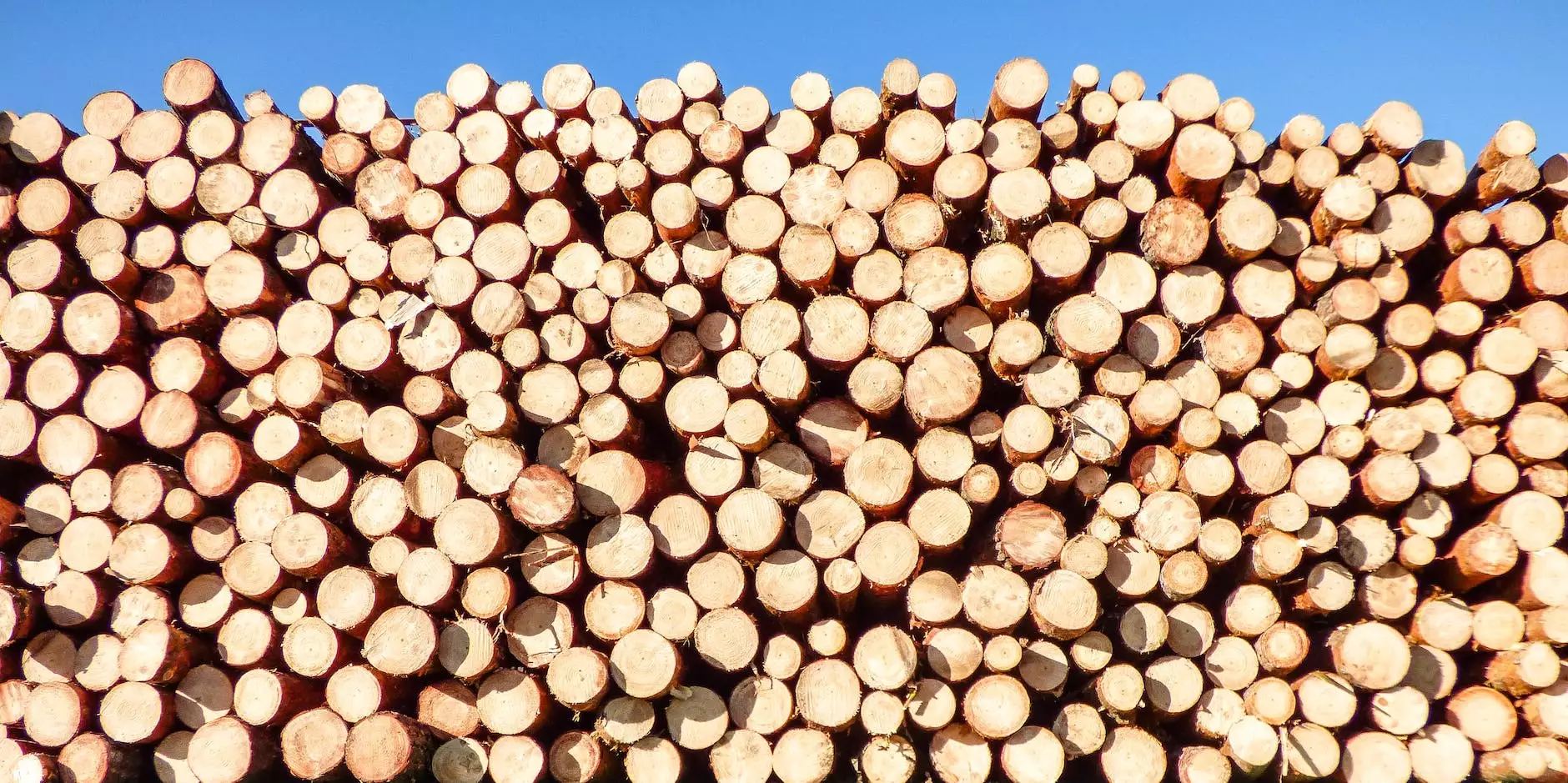
In the dynamic landscape of the forestry and firewood markets, establishing a successful business hinges on strategic sourcing, quality management, and responsive customer service. For companies like wood-trans.com specializing in Firewood and related timber products, mastering the art of lumber purchase is essential for maintaining competitiveness and satisfying market demand. This comprehensive article explores intricate aspects of business growth within this sector, providing detailed insights, best practices, and innovative approaches to excel in the industry.
Understanding the Firewood and Lumber Market Landscape
The industry for firewood and timber supplies has experienced remarkable growth driven by increasing consumer and commercial demand for renewable energy sources, eco-friendly heating options, and sustainable building materials. Market trends reveal a shift towards higher-quality, sustainably sourced lumber, reinforced by stringent environmental regulations and consumer preferences. Success in this competitive environment depends on understanding market dynamics, pricing strategies, and establishing reliable sourcing channels.
Key factors influencing the industry include:
- Growing Demand for Sustainable Products: Consumers prefer eco-friendly options, prompting businesses to prioritize sustainable sourcing.
- Technological Advancements: Innovations in processing, sorting, and inventory management enhance efficiency and product quality.
- Regulatory Compliance: Adhering to environmental standards and certifications like FSC and PEFC builds trust and market access.
- Global Market Trends: International trade, tariffs, and logistics play a vital role in supply chain management for firewood and lumber providers.
Strategic Approaches to lumber purchase for Business Growth
For a company like wood-trans.com, sourcing the best quality lumber at competitive prices is fundamental. Strategic lumber purchase encompasses selecting reliable suppliers, negotiating favorable terms, and ensuring consistent quality—factors that decisively impact profit margins and customer satisfaction.
Building Strong Supplier Relationships
Long-term partnerships with reputable timber suppliers offer stability, better pricing, and priority access to premium raw materials. Effective communication, transparent transactions, and shared sustainability goals foster mutually beneficial collaborations.
Assessing Quality and Sustainability Standards
Implement rigorous quality control measures, including inspecting raw material grades, moisture content, and timber durability. Prioritize suppliers certified by recognized organizations highlighting sustainable and responsible forestry practices, ensuring compliance with environmental norms and enhancing brand reputation.
Optimizing Purchasing Logistics and Inventory Management
Employ advanced inventory management systems that track supply levels, forecast demand, and streamline procurement schedules. Efficient logistics minimize delays, reduce storage costs, and enhance the ability to meet customer deadlines consistently.
Best Practices in Firewood Processing and Quality Assurance
High-quality firewood relies on proper processing techniques. When coupled with strategic lumber purchase, this creates a robust foundation for your business.
Source of Sustainable Raw Material
Always opt for distressed or responsibly harvested timber sources. This aligns your business with environmental standards, appeals to eco-conscious consumers, and often qualifies for various sustainability certifications.
Efficient Drying and Storage Techniques
Proper drying methods such as kiln-drying or air-drying processes reduce moisture content to optimal levels, typically below 20%. Well-maintained storage facilities prevent reabsorption of moisture, mold, and decay, ensuring superior firewood quality.
Processing Technology and Equipment
Investing in advanced sawmills, splitting machines, and moisture meters improves efficiency and consistency in firewood production. Automated and precise equipment minimizes waste and enhances product uniformity, increasing customer satisfaction.
Leveraging Marketing and Customer Relations for Business Expansion
Effective marketing strategies and superior customer service are critical in capturing and retaining clients in both firewood and lumber markets.
Creating a Strong Online Presence
Develop a professional website showcasing your product range, quality standards, and sustainability commitments. Incorporate keyword-rich content, testimonials, and clear calls-to-action to improve visibility in search engines.
Content Marketing and Industry Engagement
Publish informative articles, industry updates, and how-to guides related to firewood and timber usage. Engage with industry forums, social media, and trade shows to increase brand recognition and generate leads.
Customer Service Excellence
Prompt communication, transparent pricing, flexible delivery options, and after-sales support cultivate trust and encourage repeat business. Building relationships based on integrity and reliability differentiates your company from competitors.
Future Trends Shaping the Firewood and Lumber Business
Staying ahead of industry trends ensures long-term business stability and growth. The following developments are expected to influence future strategies:
- Sustainable Forestry Practices: Increasing mandatory standards and consumer demand will push for fully sustainable supply chains.
- Innovation in Processing Technology: Adoption of automation, AI, and IoT for better quality control and logistics management.
- Global Supply Chain Optimization: Enhanced logistics networks to facilitate international trade, reduce costs, and ensure reliable supply.
- Renewable Energy Integration: The firewood market will continue to grow as a renewable energy source, demanding higher quality and consistency.
- Eco-Certifications and Consumer Trust: Certifications and eco-labels will increasingly influence purchasing decisions, requiring businesses to commit to environmental standards.
Conclusion: Building a Resilient Business in Firewood and Timber
Success in the firewood industry hinges on strategic lumber purchase, unwavering commitment to quality, and proactive adaptation to market and technological changes. Companies like wood-trans.com can carve out a competitive advantage by forging strong supplier relationships, implementing sustainable practices, and engaging customers through innovative marketing approaches.
As the industry evolves, embracing sustainability and technological innovations, coupled with a relentless focus on operational excellence, will ensure resilient growth and enhanced profitability. The journey towards building a sustainable, efficient, and customer-centric business in firewood and lumber is ongoing, but with a comprehensive approach, success is well within reach.