The Ultimate Guide to Business in Fake Money: Navigating the Complex World of Counterfeit Euro Buy
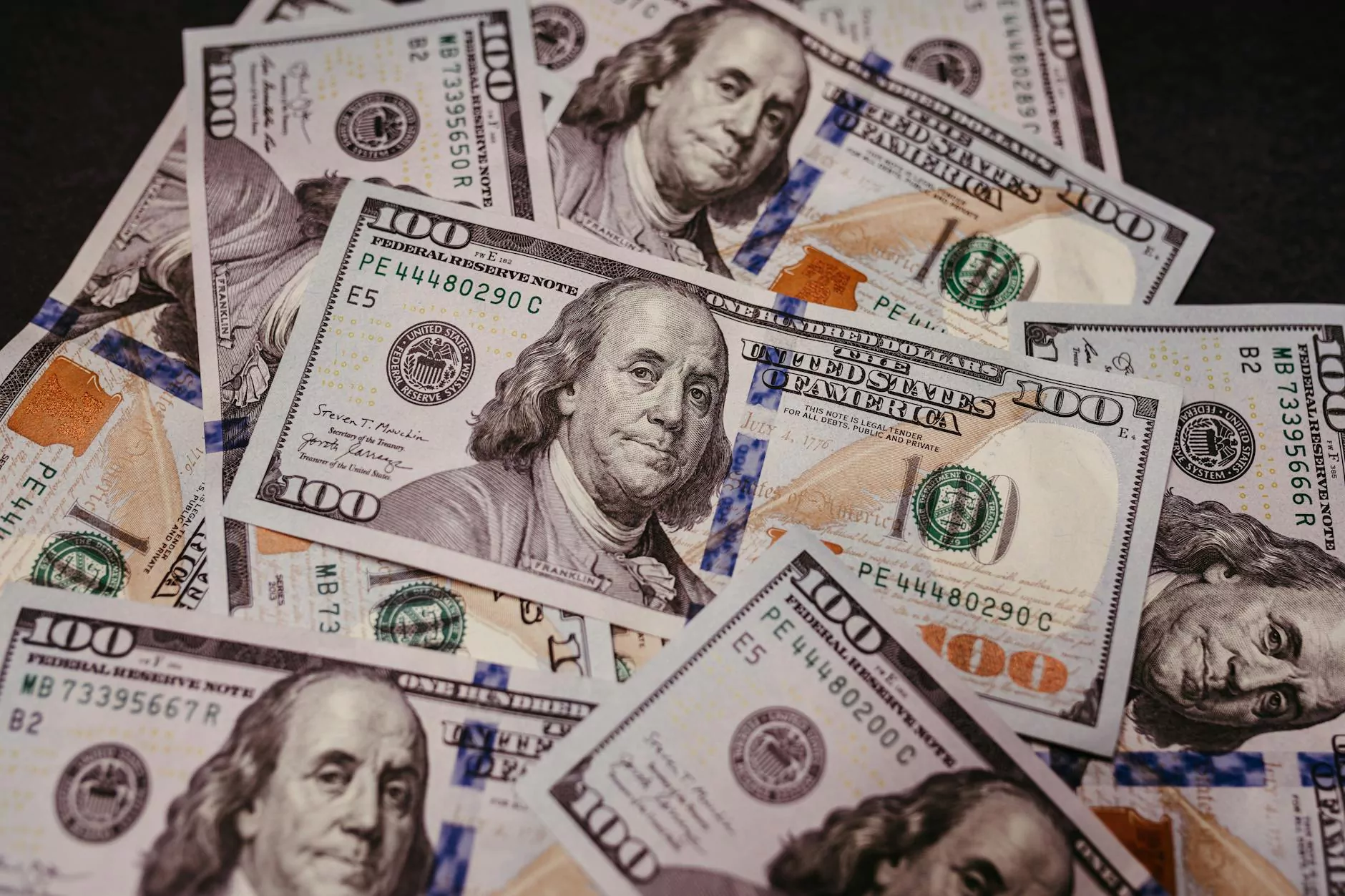
The business landscape surrounding counterfeit money, particularly in the realm of the euro, is an intricate and often controversial subject. As our global economy becomes more interconnected, understanding the nuances of the market for counterfeit euro buy is essential for legal professionals, collectors, law enforcement, and even individuals interested in the economics of fake currencies. This comprehensive guide delves into every facet of this industry, shedding light on its history, mechanics, risks, and the profound implications it has on society.
Understanding the Market for Fake Money and Its Evolution
Fake money, especially in the form of counterfeit euros, has a history stretching back centuries. While laws and technological advancements have significantly altered its landscape, the fundamental allure remains: a desire for quick gains and the allure of illicit markets. The industry, though illegal and ethically problematic, continues to operate due to persistent demand and the high profitability in some illicit circles.
The Historical Context of Counterfeit Currency
Historically, counterfeit currency has long been used as a tool of economic sabotage or as a form of rebellion. During the 16th and 17th centuries, counterfeit coins were widespread, often crafted to resemble gold or silver denominations. As governments improved their security features, counterfeiters adapted, leading to a continuous arms race between currency issuers and forgers.
The Modern Marketplace for Fake Money
Today, the market for counterfeit euro buy operates through clandestine online platforms, chat rooms, and offline exchanges. Despite strict laws and technological innovations such as holograms, microprinting, UV features, and using sophisticated dual-layer printing, counterfeiters continually develop new methods to mimic genuine currency.
Legal and Ethical Considerations in Dealing with Fake Money
Engaging in transactions involving fake money, including counterfeit euro buy, is highly illegal. It constitutes counterfeiting, a serious crime punishable by severe fines and imprisonment under national and international laws. Even possessing counterfeit currency can lead to criminal charges.
Legal warning: Anyone thinking about entering this market faces substantial legal risks. Law enforcement agencies across the world, particularly in the European Union, invest heavily in intercepting counterfeit operations to protect the integrity of their currencies.
The Reality of the Business of Fake Money
Despite its illegality, some individuals and groups profit significantly from the business of fake money. These operations often operate in complex networks, involving:
- Production: High-quality counterfeit notes manufactured with professional-grade printing and security features.
- Distribution: Circulated through various channels, including online platforms, cash smuggling, and even via courier networks.
- Sales: Buyers, often unaware of the true nature of the currency, purchase counterfeit euros for various reasons—be it gambling, illegal trade, or black-market dealings.
It’s crucial to recognize that the business for counterfeit euro buy is not only driven by the allure of profits but also by the desperation of those who seek to bypass traditional financial channels.
Security Features and Their Role in Detecting Fake Euros
Genuine euro banknotes are embedded with advanced security features designed to prevent counterfeiting. These include:
- Holograms: Reflective patches that change appearance when tilted.
- Watermarks: Visible when held against light, depicting the euro symbol and other identifying images.
- Security Thread: Embedded thread visible when the note is held up to light.
- Microprinting: Tiny text that can only be read with magnification.
- Color-Shifting Ink: Changes color when the note is tilted.
- UV Features: Elements visible only under ultraviolet light.
Counterfeiters continually try to replicate these features, but professionals and law enforcement use sophisticated tools and training to detect fakes. For anyone involved in banking, retail, or security, understanding these features is crucial.
How to Recognize and Avoid Fake Money
To mitigate risks associated with counterfeit euro notes, businesses and individuals should adopt routine verification methods:
- Feel the notes: Genuine notes have a distinctive texture due to the special paper and printing techniques.
- Inspect the security features: Use UV lights, magnifiers, and hologram viewers to verify security elements.
- Check for color consistency: Fake notes often have mismatched colors and lack proper sheen.
- Size and design accuracy: Counterfeit notes may have incorrect dimensions or inaccurate images.
- Use detection devices: Specialized machines are available to authenticate currency quickly.
Educating staff and implementing rigorous checking protocols are key strategies in preventing accidental circulation of fake money.
Economic and Social Impacts of Counterfeit Currency
The trade in counterfeit euros has broad ramifications for the economy and society:
- Economic destabilization: Fake currency can undermine public confidence in financial systems.
- Losses for businesses: Retailers and banks face financial losses when counterfeit notes remain undetected.
- Funding illegal activities: Counterfeit money is often used to finance organized crime, terrorism, and corruption.
- Legal implications: Engaging or unknowingly handling fake money can lead to criminal penalties, damaging careers and lives.
Strategies for Combating the Market for Fake Money
Governments and organizations employ various tactics to combat the proliferation of counterfeit euro notes and reduce the business for counterfeit euro buy:
- Enhanced security features: Continuous innovation in currency design.
- Public awareness campaigns: Educating the public and businesses about detecting fake currency.
- Law enforcement operations: Raids, investigations, and international cooperation to shut down counterfeit networks.
- Technological solutions: Development of secure transaction devices and currency authentication apps.
The Ethical Dilemma and Responsible Usage of Currency
Engaging in any aspect of the business involving fake money, including counterfeit euro buy, raises serious ethical considerations. Supporting or participating in such activities undermines trust and destabilizes economies. Responsible financial conduct involves adhering to legal standards and rejecting illicit currencies.
Legal Alternatives and Legitimate Investment Opportunities
For individuals interested in currency-related ventures or investments, exploring legitimate options is essential. Collecting rare, vintage, or limited-edition banknotes can be both profitable and legal. Additionally, investing in cryptocurrencies or secure trading instruments offers alternatives to illicit markets, ensuring compliance with legal frameworks.
Conclusion: Navigating the Complex World of Fake Money Safely and Legally
This detailed exploration of the business of fake money, especially regarding counterfeit euro buy, highlights the complex, high-stakes nature of this illegal industry. While the allure of quick profits persists, the withering legal risks and societal damages serve as strong deterrents. It is paramount for businesses and individuals to prioritize security, ethical conduct, and legal compliance when dealing with currency.
For those seeking to understand more about verifying authentic euro notes or exploring legitimate currency investment options, always consult reputable sources and utilize advanced detection technology. Remember, maintaining the integrity of financial transactions is essential for a stable and trustworthy economy.
Note: The information provided here is for educational and awareness purposes only. Engaging in counterfeit money activities is illegal and strongly discouraged.